
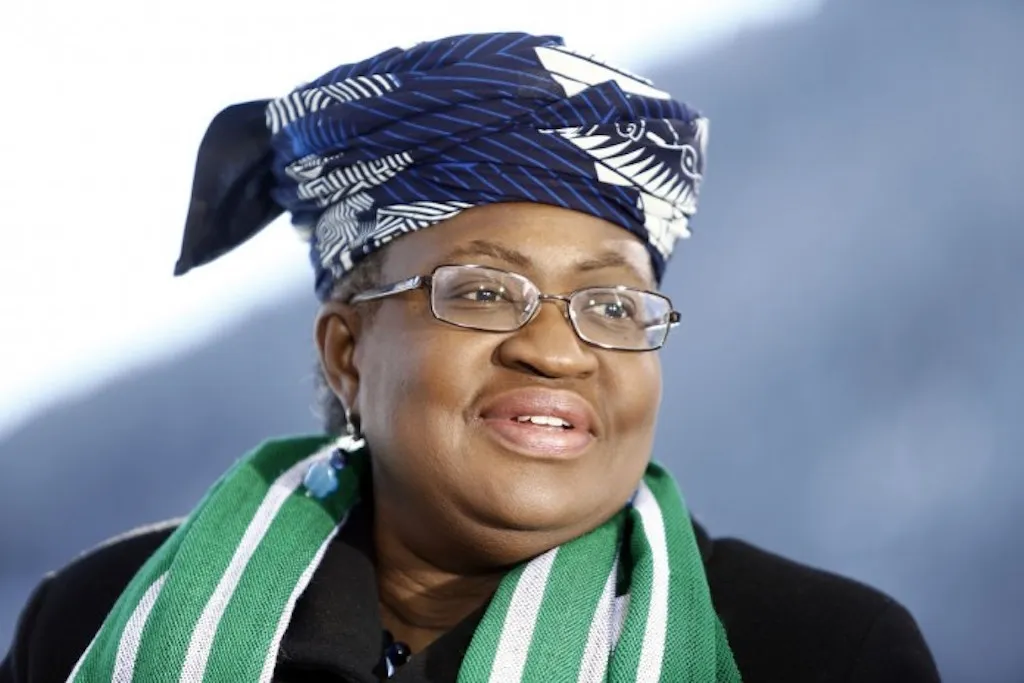
WTO Director-General Ngozi Okonjo-Iweala has launched a $50 million global fund to support women entrepreneurs in digital trade, cautioning that international commerce faces “extremely challenging times” due to growing unilateralism and protectionism.
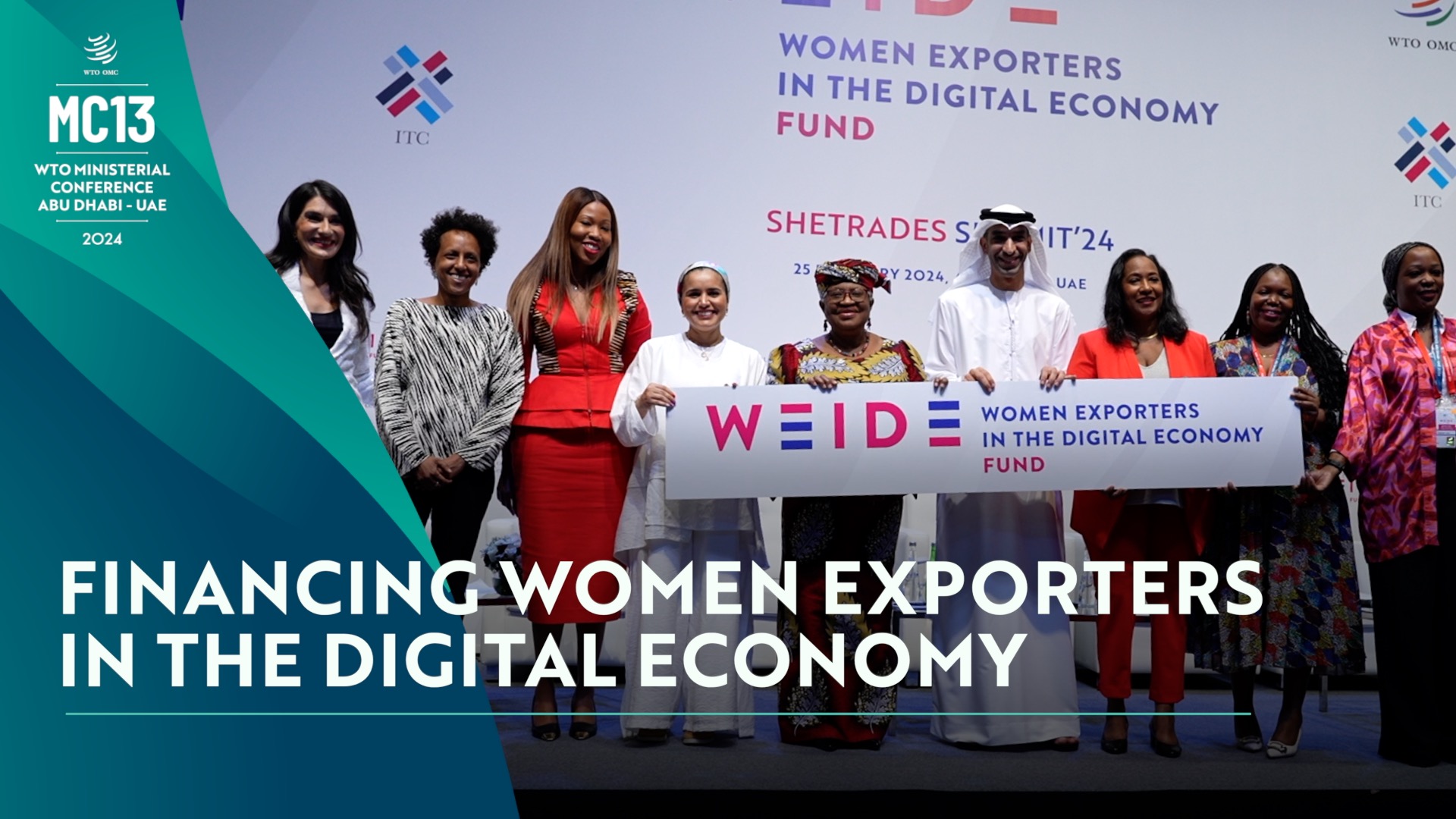
The Women Exporters in the Digital Economy Fund is a WTO-International Trade Centre collaboration designed to provide women-owned businesses in developing nations with skills, resources and networks needed to compete in global value chains.
During her Thursday address in Abuja, Okonjo-Iweala highlighted Nigeria’s low internet connectivity as a potential barrier to accessing the rapidly expanding global digital trade market, noting that only 45% of Nigerians are online compared to the 67% global average.
“No country can truly digitise without consistent electricity and reliable, affordable internet,” the WTO chief stated. “Over half of Nigerians remain disconnected, and this divide must be bridged to capitalise on digital trade opportunities.”
She emphasised this initiative represents “more than a programme” but rather “a movement” aimed at helping women entrepreneurs “not just survive, but thrive globally.”
The former Nigerian finance minister noted the timing coincides with global trade reaching $30.4 trillion, where digital trade is the fastest-growing segment, yet Africa maintains less than 1% market share. She pointed out that digitally delivered services have grown from $1 trillion in 2005 to $4.25 trillion today.
Related: World Bank: Trust concerns and high costs keep 25% of unbanked Nigerians away
This year’s Women Exporters in the Digital Economy (WEIDE) Fund launches in four countries: Jordan, Mongolia, the Dominican Republic, and Nigeria. Nigeria’s selection followed a competitive process among over 600 global business support organisations, with the Nigerian Export Promotion Council’s strong application standing out.
From 67,000 Nigerian applicants, 146 beneficiaries were selected—exceeding the original 100 planned due to application quality. Sixteen entrepreneurs in the Booster Track receive up to $30,000 and 18 months of support, while 130 in the Discovery Track get up to $5,000 and one year of assistance. Recipients span agriculture, IT, fashion, hospitality, beauty, and manufacturing sectors.
While praising the government’s $2 billion fibre optic project for rural connectivity, Okonjo-Iweala stressed that reliable electricity remains essential for digital trade success.
She noted women’s under-representation in Nigeria’s ICT sector, which contributed 18% to GDP in 2022, with only 30% of tech firms being women-owned. Nigeria ranks 128th of 148 countries in the Global Gender Gap Report.
The WTO leader urged viewing women’s empowerment as “smart economics” rather than charity, warning against policies like digital trade customs duties that could harm small exporters.
“When women succeed, communities succeed, economies succeed,” she concluded. “This isn’t just moral—it’s economic.”


