
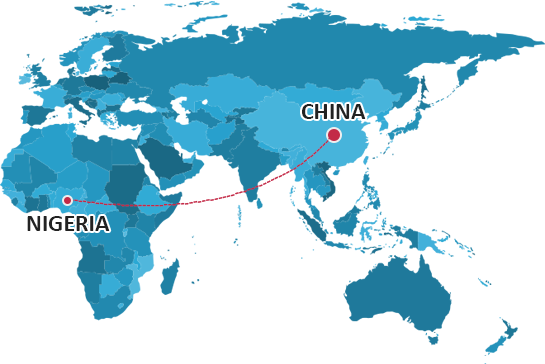
The China-Nigeria trade relationship has grown exponentially over the past two decades, with bilateral trade volume reaching over $18 billion annually. For Nigerian entrepreneurs, importing from China presents tremendous opportunities to access quality products at competitive prices while building profitable businesses. However, successful importation requires a thorough understanding of processes, regulations, and best practices.
This comprehensive guide will walk you through every aspect of importing from China to Nigeria, from initial market research to final product delivery and beyond.

Chapter 1: Understanding the Nigeria-China Trade Landscape
The Current Trade Environment
China has become Nigeria’s largest trading partner and source of imports, supplying everything from electronics and machinery to textiles and consumer goods. The Nigerian government has implemented various policies to facilitate legitimate trade while protecting local industries and ensuring quality standards.
Key sectors for importation include:
- Electronics and telecommunications equipment
- Machinery and industrial equipment
- Textiles and garments
- Building materials and construction equipment
- Automotive parts and accessories
- Consumer goods and household items
- Agricultural machinery and tools
Legal Framework and Regulations
Before venturing into importation, you must understand Nigeria’s import regulations. The Nigeria Customs Service (NCS) oversees all import activities, while agencies like the Standards Organisation of Nigeria (SON) and the National Agency for Food and Drug Administration and Control (NAFDAC) regulate specific product categories.
Chapter 2: Pre-Import Planning and Market Research
Identifying Your Niche
Successful importation begins with thorough market research. Analyze the Nigerian market to identify products with high demand but limited local supply. Consider factors such as:
- Market size and growth potential
- Competition analysis
- Pricing dynamics
- Seasonal demand patterns
- Consumer preferences and buying behavior
Use tools like Google Trends, social media analytics, and local market surveys to validate your product ideas. Visit local markets, speak with retailers, and understand what products are selling well and what gaps exist in the market.
Product Selection Criteria
When selecting products to import, consider these critical factors:
Profitability: Ensure sufficient profit margins after accounting for all costs, including product cost, shipping, duties, taxes, and operational expenses.
Quality Standards: Verify that products meet Nigerian and international quality standards. This is particularly important for electronics, food products, and items requiring certification.
Size and Weight: Consider shipping costs, which are often calculated by volume or weight. Lightweight, compact products typically offer better shipping economics.
Seasonality: Understand seasonal demand patterns to optimize inventory planning and cash flow.
Regulatory Requirements: Ensure products comply with Nigerian import regulations and don’t require prohibitive certifications.
Financial Planning and Budgeting
Create a comprehensive budget covering all aspects of the import process:
- Product costs and minimum order quantities
- International shipping and freight charges
- Customs duties and taxes
- Insurance and documentation fees
- Local transportation and storage costs
- Working capital requirements
- Contingency funds for unexpected expenses
SMEs Struggle as Imported Inflation Rises in Nigeria
Chapter 3: Finding and Vetting Chinese Suppliers
Sourcing Platforms and Methods
Several platforms can help you connect with Chinese suppliers:
Alibaba.com: The world’s largest B2B marketplace, featuring millions of suppliers and products. Use advanced filters to find suppliers based on location, certifications, and trade assurance programs.
Made-in-China.com: Another comprehensive B2B platform with verified suppliers and quality assurance programs.
Global Sources: Focuses on electronics, fashion, and home products with verified supplier profiles.
Canton Fair: China’s largest trade fair held biannually in Guangzhou, offering face-to-face meetings with thousands of suppliers.
Direct Factory Contact: Research and contact manufacturers directly through industry associations or online directories.
Supplier Verification and Due Diligence
Never skip the supplier verification process. Implement these verification steps:
Business License Verification: Request and verify the supplier’s business license and registration documents.
Factory Audit: Consider hiring third-party inspection companies to audit potential suppliers’ facilities, production capabilities, and quality control systems.
Reference Checks: Request and contact references from other international clients, particularly those from similar markets.
Financial Stability: Assess the supplier’s financial health through credit reports and trade references.
Production Capacity: Verify that the supplier can meet your volume requirements and delivery timelines.
Building Strong Supplier Relationships
Successful importation depends on strong supplier relationships. Focus on:
- Clear communication and mutual understanding
- Establishing trust through gradual business growth
- Regular visits to maintain personal relationships
- Fair payment terms and prompt payments
- Long-term partnership mindset rather than a transactional approach
Chapter 4: Product Quality Control and Inspection
Quality Control Framework
Implement a comprehensive quality control framework to ensure product standards:
Pre-Production Samples: Always request samples before placing bulk orders. Test these samples thoroughly or have them tested by certified laboratories.
Production Monitoring: For large orders, consider appointing quality control inspectors to monitor production at various stages.
Pre-Shipment Inspection: Conduct final inspections before goods leave the factory to identify and address any quality issues.
Testing and Certification: Ensure products meet relevant Nigerian standards and obtain necessary certifications from recognized bodies.
Third-Party Inspection Services
Consider hiring professional inspection companies such as:
- SGS (Société Générale de Surveillance)
- Bureau Veritas
- Intertek
- TUV Rheinland
These companies provide independent quality verification and can significantly reduce quality-related risks.
Chapter 5: Import Documentation and Procedures
Essential Documentation
Proper documentation is crucial for smooth customs clearance. Required documents include:
Commercial Invoice: Detailed invoice showing product descriptions, quantities, unit prices, and total value.
Packing List: A Comprehensive list of all items in the shipment with weights and dimensions.
Bill of Lading or Air Waybill: A Transportation document serving as a receipt and contract between the shipper and carrier.
Certificate of Origin: A Document certifying the country where goods were manufactured.
Import License: Required for certain restricted products.
SONCAP Certificate: Standards Organisation of Nigeria Conformity Assessment Programme certificate for applicable products.
Form M: Foreign exchange allocation document issued by authorized dealers.
Nigeria Customs Service Procedures
Understanding NCS procedures helps ensure smooth clearance:
Pre-Arrival Assessment Report (PAAR): File this online before goods arrive to expedite clearance.
Physical Examination: Some shipments undergo physical inspection at the port.
Duty Payment: Calculate and pay applicable duties and taxes through designated banks.
Release Order: Obtain release documentation after all requirements are met.
Digital Platforms and Automation
Leverage digital platforms to streamline processes:
Nigeria Single Window for Trade: Unified platform for trade-related transactions.
Nigeria Customs Service Portal: Online platform for customs declarations and payments.
NICIS II System: Automated customs processing system.
Chapter 6: Shipping and Logistics
Shipping Methods and Considerations
Choose appropriate shipping methods based on your needs:
Sea Freight: Most cost-effective for large volumes but slower transit times (20-45 days to Nigerian ports).
Air Freight: Faster delivery (3-7 days) but significantly more expensive, suitable for urgent or high-value shipments.
Express Courier: Fastest option (2-5 days) but limited to smaller packages and the highest cost per unit.
Shipping Terms and Incoterms
Understand international shipping terms:
FOB (Free on Board): Supplier handles costs until goods are loaded on the vessel.
CIF (Cost, Insurance, Freight): Supplier covers costs, insurance, and freight to the destination port.
DDP (Delivered Duty Paid): Supplier handles all costs and responsibilities until goods reach your location.
Choose terms that align with your risk tolerance and cost management preferences.
Major Shipping Routes and Ports
Key Chinese ports for Nigerian imports:
- Shanghai
- Shenzhen
- Guangzhou
- Qingdao
- Tianjin
Major Nigerian destination ports:
- Lagos (Apapa and Tin Can Island)
- Port Harcourt
- Onne
- Calabar
Freight Forwarders and Logistics Partners
Partner with reliable freight forwarders who offer:
- Competitive rates and reliable service
- Experience with China-Nigeria trade routes
- Comprehensive services, including customs clearance
- Insurance options and cargo tracking
- Local presence in both countries
Chapter 7: Financial Aspects and Payment Methods
Payment Methods and Risk Management
Select appropriate payment methods based on trust level and transaction value:
Letters of Credit (LC): Most secure method providing protection for both parties, but involves bank fees and processing time.
Trade Assurance: Alibaba’s protection program offers payment protection for orders placed through their platform.
Wire Transfer: Direct bank transfer, commonly used but requires high trust levels.
Escrow Services: Third-party services holding funds until delivery confirmation.
PayPal and Online Payments: Suitable for smaller transactions but may have limitations and higher fees.
Foreign Exchange Management
Navigate Nigeria’s foreign exchange regulations:
Form M: Obtain foreign exchange allocation through authorized dealers.
Certificate of Capital Importation: Required for foreign exchange transactions above certain thresholds.
Export Proceeds Form: For businesses planning to export to earn foreign exchange.
Work with reputable banks and foreign exchange dealers to ensure compliance and optimal rates.
Cost Calculation and Pricing
Develop comprehensive cost calculations, including:
- Product cost (FOB price)
- International shipping and freight
- Insurance (typically 0.1-0.3% of cargo value)
- Customs duties (varies by product category, typically 5-35%)
- VAT (7.5% on dutiable value plus duty)
- Port charges and handling fees
- Clearing agent fees
- Local transportation
- Storage and warehousing costs
Add appropriate markup to ensure profitability while remaining competitive.
Chapter 8: Regulatory Compliance and Standards
Import Prohibitions and Restrictions
Stay updated on Nigeria’s import prohibition list, which includes:
- Certain textiles and garments
- Specific electronic items
- Some automotive parts
- Various consumer goods
The list changes periodically, so verify current restrictions before ordering.
Standards and Certifications
Ensure products meet relevant standards:
SONCAP: Mandatory for many products, including electronics, toys, and automotive parts.
NAFDAC: Required for food, drugs, cosmetics, and related products.
SON Standards: Various Nigerian Industrial Standards apply to different product categories.
International Certifications: CE marking, FCC certification, and other international standards may be required or beneficial.
Environmental and Safety Compliance
Consider environmental and safety requirements:
- Packaging material restrictions
- Electronic waste regulations
- Chemical safety requirements
- Product liability implications
Chapter 9: Market Entry and Distribution Strategies
Market Entry Planning
Develop comprehensive market entry strategies:
Target Market Definition: Clearly define your target customers, geographic focus, and market segments.
Distribution Channels: Choose appropriate channels, including wholesalers, retailers, e-commerce platforms, or direct sales.
Pricing Strategy: Develop competitive pricing considering local market conditions and competition.
Marketing and Promotion: Plan marketing activities to build brand awareness and drive sales.
Building Local Networks
Establish a strong local network, including:
- Reliable distributors and retailers
- Logistics and warehousing partners
- Marketing and advertising agencies
- Legal and compliance advisors
- Industry associations and trade groups
E-commerce and Digital Channels
Leverage digital platforms for market access:
- Jumia and other local e-commerce platforms
- Social media marketing and sales
- Own e-commerce website development
- Mobile commerce opportunities
Chapter 10: Risk Management and Contingency Planning
Common Risks and Mitigation Strategies
Identify and prepare for common risks:
Quality Issues: Implement robust quality control and maintain good supplier relationships.
Shipping Delays: Plan for potential delays and maintain buffer inventory.
Currency Fluctuations: Use hedging strategies or negotiate stable pricing terms.
Regulatory Changes: Stay informed about policy changes and maintain flexibility.
Market Competition: Develop unique value propositions and build customer loyalty.
Insurance and Protection
Consider various insurance options:
- Cargo insurance for shipments
- Trade credit insurance for supplier payments
- Business interruption insurance
- Professional liability coverage
Legal Considerations
Engage qualified legal advisors for:
- Contract review and negotiation
- Intellectual property protection
- Dispute resolution procedures
- Regulatory compliance guidance
Chapter 11: Building Long-term Success
Scaling Your Import Business
Plan for sustainable growth:
Product Diversification: Gradually expand your product range based on market feedback and opportunities.
Supplier Network Expansion: Develop relationships with multiple suppliers to reduce dependency and improve negotiation power.
Market Expansion: Consider expanding to other West African markets or different customer segments.
Value Addition: Look for opportunities to add value through branding, packaging, or assembly services.
Technology and Innovation
Leverage technology for competitive advantage:
- Inventory management systems
- Customer relationship management tools
- E-commerce platforms and digital marketing
- Data analytics for market insights
Continuous Learning and Adaptation
Stay competitive through:
- Regular market research and trend analysis
- Participation in trade shows and industry events
- Networking with other importers and industry professionals
- Continuous education about trade regulations and best practices
Conclusion
Importing from China to Nigeria offers significant opportunities for entrepreneurs willing to invest time and effort in understanding the process and building strong foundations for their businesses. Success requires thorough preparation, attention to detail, strong supplier relationships, and commitment to quality and compliance.
Start with careful market research and product selection, invest in building reliable supplier relationships, ensure proper documentation and compliance, and focus on delivering value to Nigerian consumers. With persistence, proper planning, and execution of best practices outlined in this guide, you can build a successful and profitable import business.
Remember that importing is not a get-rich-quick scheme but a legitimate business requiring dedication, continuous learning, and adaptation to changing market conditions. Begin with smaller orders to learn the process, build gradually as you gain experience and confidence, and always maintain high standards for quality and customer service.
The China-Nigeria trade relationship will continue to grow, presenting ongoing opportunities for well-prepared entrepreneurs. By following this comprehensive guide and adapting strategies to your specific circumstances, you’ll be well-positioned to participate successfully in this dynamic trade relationship.


