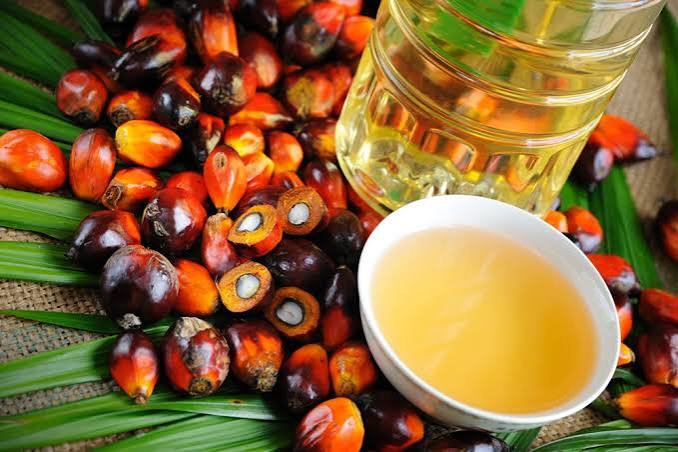
There was a time Nigeria controlled nearly half the world’s palm oil supply. That time has passed. The country now produces a fraction of what it once did and spends heavily every year bringing in the same commodity it used to export in bulk.
Joe Onyiuke, national president of the Oil Palm Growers Association of Nigeria, put the numbers plainly: Nigeria once accounted for 43 per cent of the global crude palm oil supply. Today, that figure sits at around two per cent.
Malaysia tells the opposite story. The country took palm seedlings from Nigeria in the 1870s under British colonial administration and, by the 1960s, had overtaken Nigeria as the world’s top exporter. It now ranks second globally, behind Indonesia, producing over 20 million tonnes of palm oil in 2025 and shipping it to more than 150 countries.
A widening supply gap
Nigeria needs roughly 2.7 million tonnes of palm oil a year. Local farms produce only about 1.5 million tonnes. That gap forces food companies and traders to buy from Indonesia, Malaysia, and other producers. In 2024 alone, Nigeria spent $155 million on palm oil imports, according to UN Comtrade data.
That import bill drives up food prices at home. It also strains the country’s foreign exchange reserves, an area already under pressure.
Most of Nigeria’s palm oil comes from smallholders. Eighty per cent of production relies on scattered, semi-wild plantations and manual processing. The country’s palm oil belt covers 24 states, including all nine in the Niger Delta. Yet decades of weak investment in plantations, mills, and farmer support have held the sector back. It simply cannot keep pace with a growing population.
What Malaysia got right
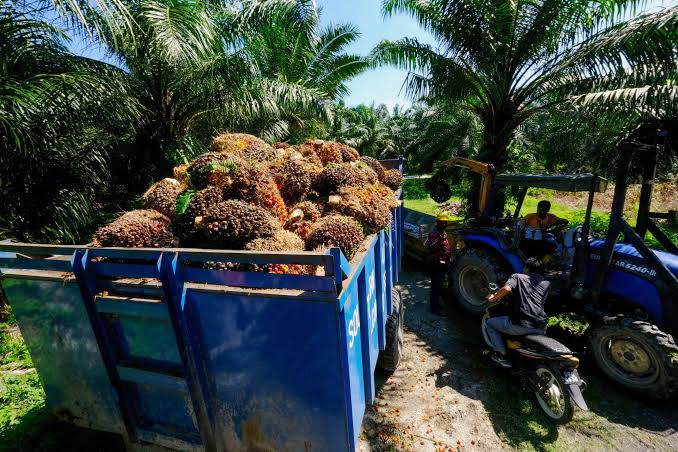
Malaysia’s growth wasn’t an accident. The government backed sustained investment in research, replanting programmes, and integrated mills. It also built strong sustainability and traceability systems. These systems gave global buyers confidence in the quality of Malaysian palm oil. That confidence helped secure Malaysia’s place as a top exporter.
David Iweta holds a senior role at the Nigeria Association of Chambers of Commerce, Industry, Mines, and Agriculture. He said Malaysia’s rise came through clear policy, large-scale investment, and innovation. He believes Nigeria has real lessons to learn from that record.
The palm oil industry now supports about three million jobs in Malaysia. It funds rural development, education, and infrastructure. The sector has also spun off related industries, including manufacturing, oleochemicals, and bioenergy. In 2025, it generated $27.5 billion in export earnings and contributed 3 per cent to Malaysia’s GDP, according to the Malaysian Palm Oil Council.
Related: Schneider Electric Learnership Programme 2027 Opens for Young GraduatesExxonMobil
Nigeria Investment: $1 Billion Offshore Oil Project to Boost Production
Can Nigeria catch up?
Experts warn against copying Malaysia’s model directly. Onyiuke argued that Nigeria needs its own approach, one built around its own land and conditions rather than a borrowed blueprint.
Still, the scale of the task is clear. Analysts estimate Nigeria would need around three million hectares of plantation to become self-sufficient in palm oil. Without serious investment in research, processing capacity, and market access, Nigeria risks staying a net importer. Affordable financing and a national replanting strategy are also missing pieces. Without them, the country may never reclaim the position it once held.
There are some signs of progress. Onyiuke pointed to recent investment in processing mills as a possible turning point. Even so, he was clear that progress remains slow, and demand keeps rising.