
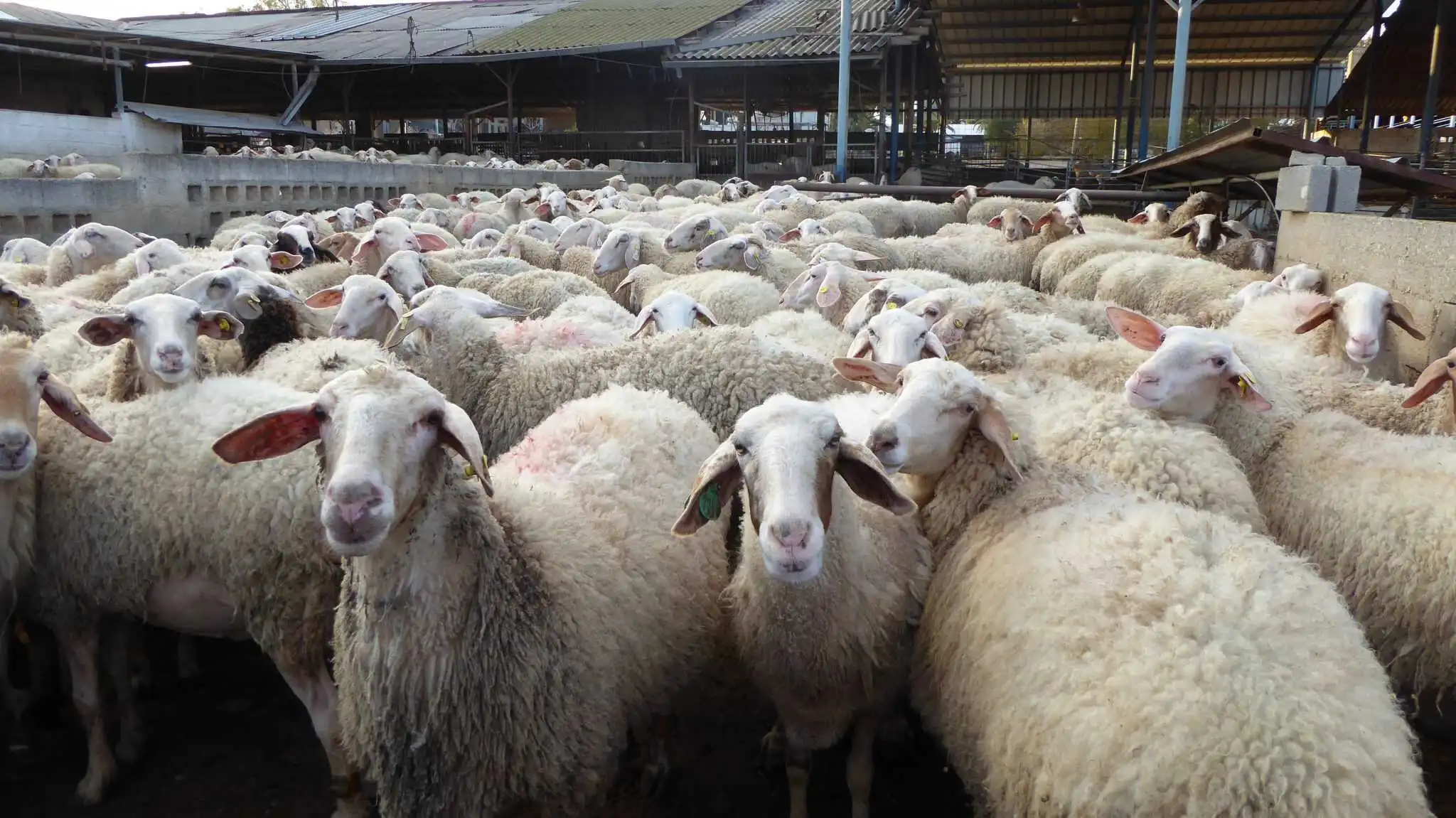
The Africa Development Bank (AfDB) said it has supported the modernisation of the Benin sheep industry to ensure food security in the tiny West African nation.
In a statement issued on Tuesday, AfDB said it supported the industry with a loan of $15.17 million and a grant of $13.40 million from the African Development Fund (the Group’s concessional window) for a period of five years (2022-2026). In 2021, Benin submitted the Milk and Meat Sub-Sector Development and Livestock Enterprise Promotion Support Project for funding. The project aimed to improve the productivity and profitability of the sheep industry in a sustainable and climate-smart way.
The project includes the restoration of 10 water reservoirs to supply water to livestock and the construction of 57 boreholes for drinking troughs and solar-powered submersible pumps, nine of which will be connected to water towers. Other undertakings are planned, including the development of 2,500 hectares of grazing areas, the preparatory work for and demarcation of 500 km of animal corridors, and the construction of three livestock markets and three abattoirs.
In the early 2000s, Benin reformed its sheep industry, largely because meat and milk production was insufficient to meet local demand. The objective was to reduce imports, estimated at an average of 60,000 tonnes of meat and 40,000 tonnes of milk annually. The African Development Fund, the African Development Bank
As the chief financial partner of the Milk and Meat Sectors Support Project, AfDB approved in December 2008 a grant funding of $39.24 million to build several modern facilities in 18 towns across the country.
Émile Godonou, coordinator of the project, said, “Most of the planned infrastructure is complete. “Water reservoirs have been built, as well as livestock farms, thousands of dairies, and small abattoirs in the towns of Calavey and Savè.”
The facilities were constructed with the help of the decentralised authorities of the Beninese Ministry of Agriculture, Livestock, and Fisheries, local elected representatives, and direct beneficiaries, the Development Bank said in a blog post.


