
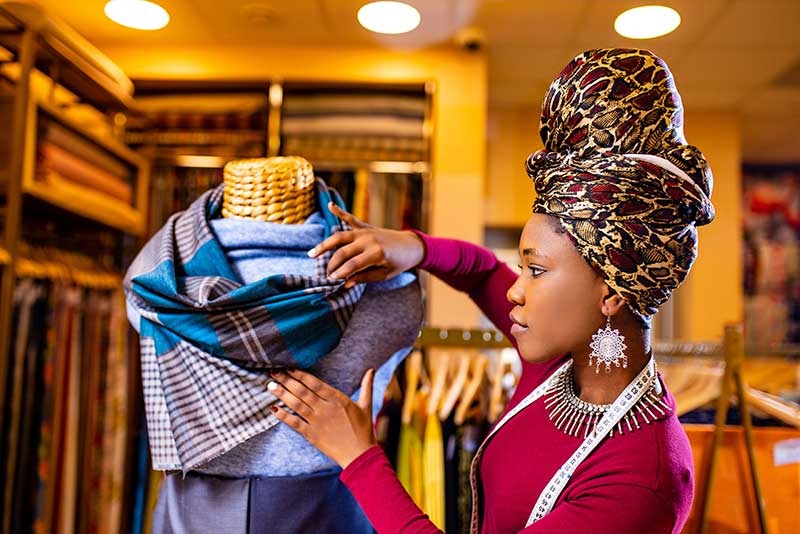
Nigeria’s Federal Ministry of Art, Culture, Tourism & the Creative Economy, in partnership with The Fashion Academy Abuja, has unveiled a national Designer Training Programme to nurture emerging designers, tailors, and creative entrepreneurs. Launching under the Creative Leap Acceleration Program (CLAP), this initiative aims to elevate Nigeria’s creative and fashion economy through practical training and business development.
Firstly, the program will equip participants with two essential skill sets:
- Pattern Making & Professional Sewing Techniques, giving hands‑on mastery of garment construction.
- Fashion Business & Branding, teaching participants how to launch, position, and market their brands effectively.
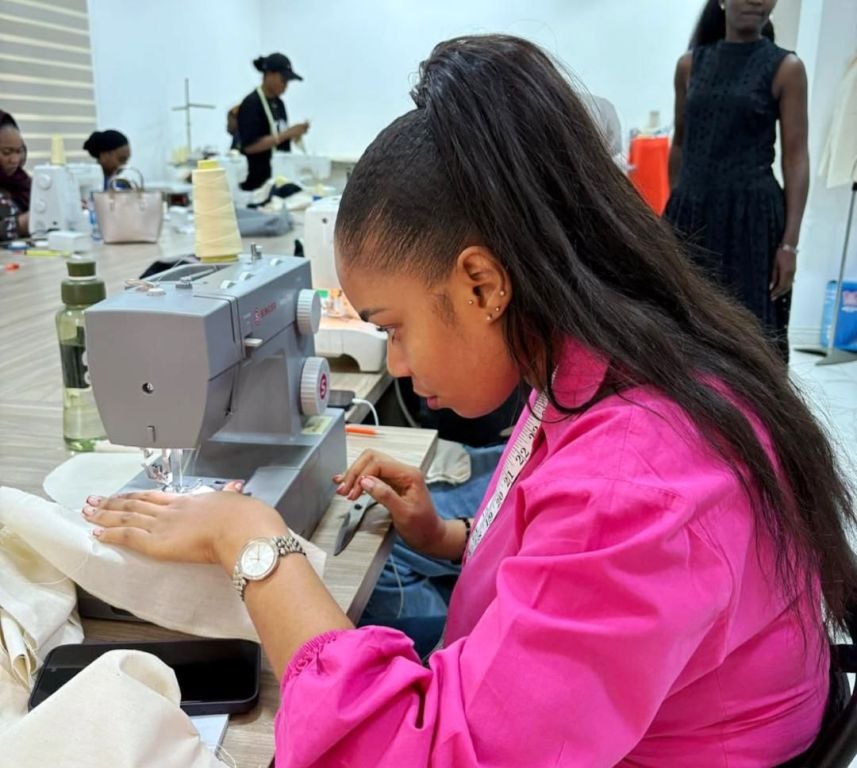
In addition, students will engage in mentorship and business development sessions designed to scale their creative operations and deepen their knowledge of the industry’s evolving demands. Therefore, the curriculum blends creative artistry with strategic entrepreneurship, preparing talent for success in a globalized fashion sector.
The Minister, Barr. Hannatu Musa Musawa, expressed strong optimism: “Our creative industry holds immense potential. Through this partnership with The Fashion Academy Abuja, we are building a skilled workforce and positioning Nigeria as a leader in fashion innovation across Africa,” she stated.
Meanwhile, Nina Kwande, Director of The Fashion Academy Abuja, commented on the collaboration: “We welcome the chance to nurture talent, foster entrepreneurship, and provide access to industry-ready training that truly makes a difference”.
Related: Digitvant’s Market Monie Empowers over 505,000 MSME
How to Apply
- Furthermore, applications were scheduled to open on August 4, 2025, and to close on August 11, under the government’s Creative Leap Acceleration Program (CLAP). Once submitted through the official portal (clap.gov.ng), applicants would be shortlisted and subsequently provided with hands‑on training, mentorship, and networking opportunities.
- In broader context, Nigeria’s creative sector is increasingly recognized as a cultural export powerhouse, with fashion among its most visible drivers. Accordingly, fashion contributes significantly to GDP, though numerous designers have encountered obstacles in accessing training, financing, and global exposure
- As such, the CLAP initiative is being positioned as a strategic effort to address these challenges. Additionally, by nurturing local talent and building infrastructure, Nigeria is being further established as a fashion hub for Africa.
Why It Matters
Nigeria already contributes billions of naira to GDP through its creative sector. However, many local designers lack access to formal training, financing, and international markets. By investing in both technical and business skills, this CLAP initiative seeks to fill those gaps and position the country as a competitive force on the global stage. As a result, it promises to boost local employment and solidify Nigeria’s leadership in African fashion innovation


