
Running a business day after day with zero sales can be very frustrating, but there is something more exasperating – Making tons of sales without being profitable. If you are in this situation, then there is something wrong with your cost structure and pricing system. I’ll explain in a minute. Keep reading.
If you are about to start a business, you need to draw your startup list before estimating just how much capital you need to get started. If you are already in business, then you also have to work with a budget, where you list your costs, as well as your revenue. Every business expenditure list will have fixed costs and variable costs, so it is imperative that you understand both costs, how they work, and how they can affect your profitability.
Fixed costs?
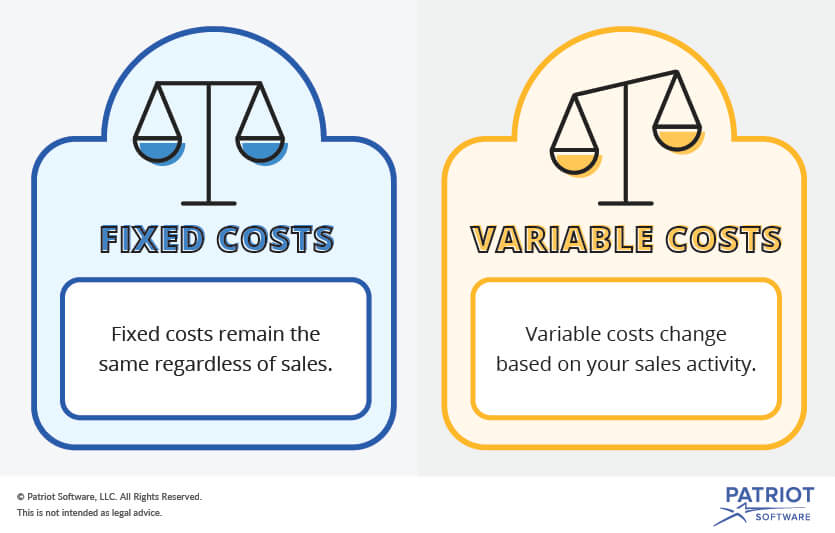
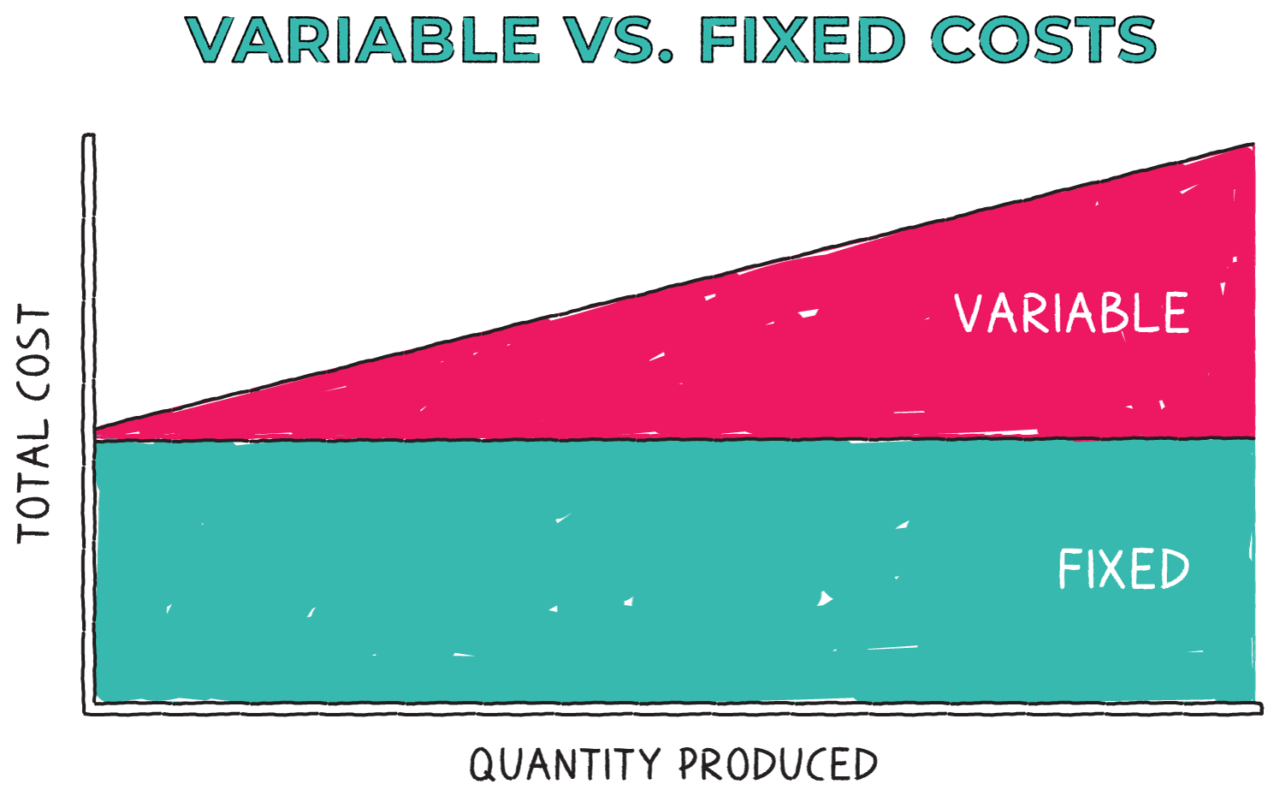
Fixed costs are those costs that do not change, irrespective of how much or how little you are producing (production volume) or selling (sales volume). For instance, your rent is a fixed cost that you have to pay at the end of the month or year, even if you do not make any sales for the period. Depreciation costs are also considered fixed costs. For instance, whether you produce 200 or 2000 units of your product, at the end of a year, the machines you use will still have depreciated by one year (possibly the one year of warranty cover).
Fixed costs are completely independent of business activities. For example, for a food truck, fuel is probably a fixed cost as it takes the same amount of fuel to move the food truck irrespective of how much food the business sells.
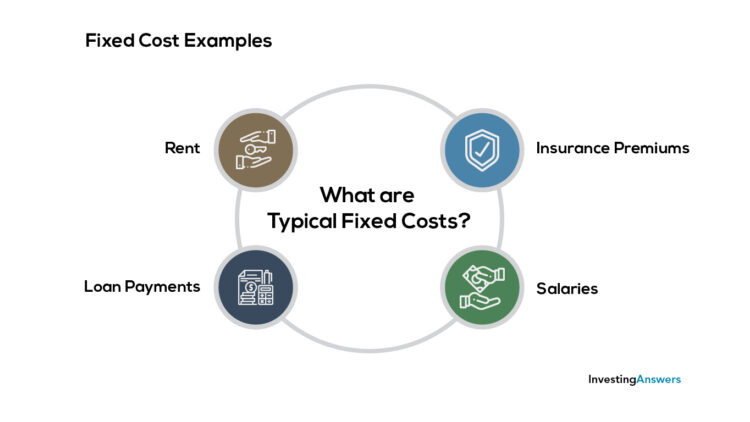
When trying to beat down business costs, it is very difficult to beat down fixed costs. You cannot tell your landlord to cut down on your shop rent because you did not make any sales in the last three months. The best you can do is to find other ways to make money with the space. You also cannot tell your machine vendor to extend warranty coverage by another year because you have not produced up to 100 units in the last year. Insurance, loan repayments, licenses, and registrations are some other examples of fixed costs. Fixed costs are sometimes called Overhead costs.
Variable costs
On the other hand, variable costs are those costs that change based on production and sales volume. The cost of raw materials would change if you increase your production volume from 100 to 250 units. Variable costs can also be described as the cost of goods sold.
Managing costs is one of the most important things you will do as a business owner. Both fixed and variable costs are important, they impact the business differently, but they both play a role in your business’s profitability.
Keep in mind that there are no strict lists of fixed and variable costs. A certain cost might be a fixed cost for businesses in one industry, and a variable cost for businesses in another industry. So, where fuel may be a fixed cost for a food vendor who sells from a truck that he drives around to different locations; a delivery business can have fuel as a variable cost that is affected by sales made. Choose where each cost should fall in your business.
Cost structure management
To stay profitable, business owners find ways to minimize costs and eliminate excessive expenses. You also want to ensure stable cash flow and avoid sudden cost spikes.
The reason you have to understand and identify your fixed and variable costs is to understand better the strategy that would bring in more profits. A business owner might wrongly assume that more sales would bring in more profits, but it may not be so. An increase in sales results in an increase in variable costs, and depending on the business cost structure, you may end up with little profit despite the spike in sales.
The article on budgeting for small businesses will come in handy for you if you are trying to decide on your cost structure. Overall, the key is to identify the real cost of production, including the materials, overhead, labor costs, and other expenses that come into the production line. Armed with the numbers, you can now decide on cost allocation, peg your fixed and variable costs to certain percentages, and work towards becoming profitable.

Set profitability goals and measure them. Your focus here should not be on your revenue alone, but on gross profits and net profits. You also have to define your pricing structure, as it will play a key role too. Ordinarily, this should have been defined as part of your business financial model, but if you left it out, then this might be the time to attend to it.