

If you have ever driven from Iyana Ipaja to Ikeja on a Monday morning, you already know what this article is about. The go-slow, the hold-up, the gridlock – call it whatever you like. Lagos traffic is one of the most reliable things about the city, and not in a good way.
DJ Jimmy Jatt once captured the spirit of Lagos in the song “Stylee“, and rapper Modenine described it as the heartbeat of Nigeria. That description is accurate in more ways than one. Lagos contributes over 22 per cent of Nigeria’s annual GDP, according to Governor Sanwo-Olu. It is a goldmine, a city of dreamers and hustlers. But Lagos traffic? That is where dreams and deadlines go to fight each other.
The Real Cost Nobody Talks About
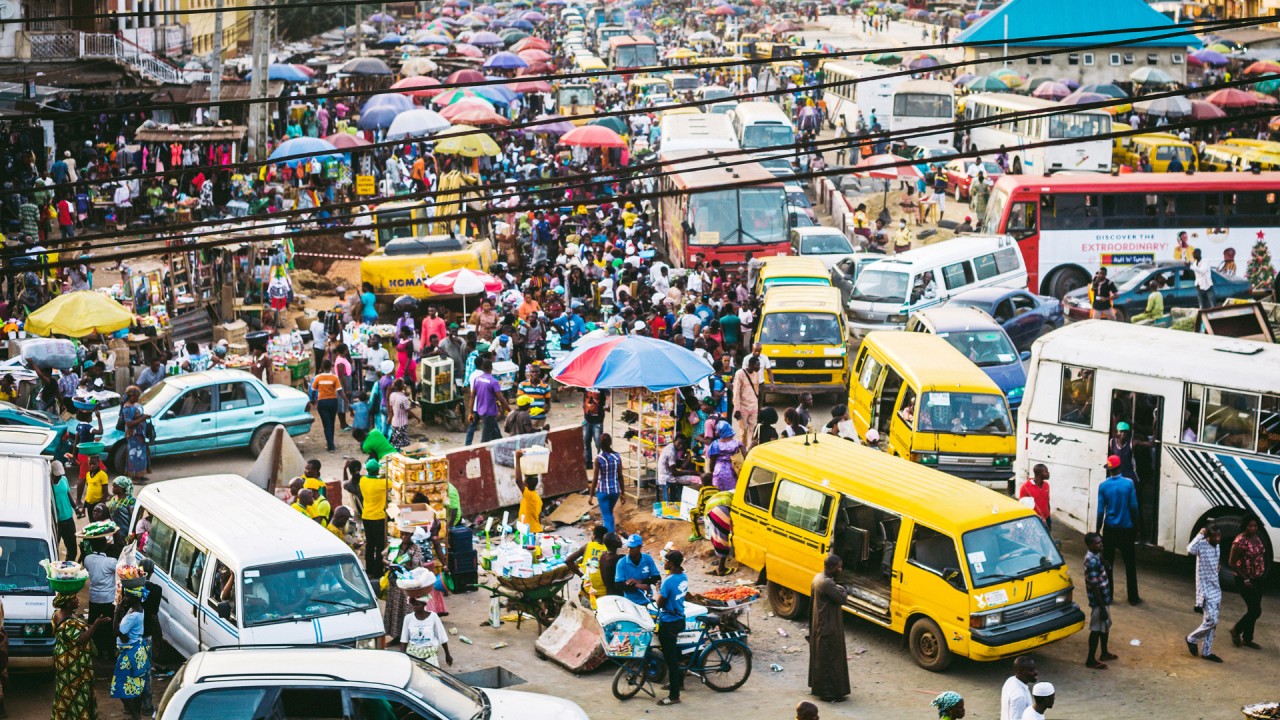
Most people treat Lagos traffic as a personal inconvenience. Wake up earlier, leave the house before the sun, and hope for the best. But as a smartpreneur, you cannot afford to think that loosely about it. The cost of traffic is not just time. It is money, energy, and morale.
Workers who spend two or three hours on the road before they even get to their desk arrive tired and already frustrated. By midday, they are running on fumes. Productivity drops. Deadlines shift. Mistakes creep in. And then they do the whole thing again on the way home.
For you as a business owner, this translates directly to your bottom line. Deliveries arrive late. Meetings get pushed. Clients lose patience. And you end up spending more money to fix problems that traffic created in the first place. In local terms, time na money. So when traffic eats your time, it is eating your revenue.
Related: Mistakes Entrepreneurs Make in Their First Year (And How to Avoid Them)
Why Lagos Traffic Is What It Is
The go-slow is not a mystery. It is the result of several problems colliding at once.
The roads were not built to handle the volume of traffic Lagos sees today. Narrow lanes force large numbers of vehicles into small spaces, and that alone is enough to cause chaos. Add to that the heavy-duty trucks lumbering through routes not designed for them, danfo drivers stopping wherever they feel like it, okada riders weaving through gaps, and hawkers and cart pushers competing for the same tarmac as everyone else.
Then there are the human errors. Drivers who park illegally, drive against traffic, and pick up passengers at unauthorised spots. These small violations pile up and turn a slow morning into a total standstill.
The worst-affected routes are predictable. Iyana Ipaja to Ikeja, Ikeja to Oshodi, Tollgate to Abule Egba, Ogba to Victoria Island, Lekki to Ajah, Marina to Mile 2. If your business touches any of these corridors, you feel the impact daily. And when you layer in vehicle breakdowns, accidents, roadworks, and heavy rain, even a well-planned day can fall apart quickly.
What a Smartpreneur Can Actually Do About the Lagos Traffic
You cannot fix Lagos roads. You cannot move the markets or retrain every danfo driver. But you can make decisions that reduce the damage traffic does to your business. Here is how to think about it.
Plan around peak hours, not through them. Morning traffic peaks between 6:00 am and 10:00 am. Evening traffic is rough from 4:00 pm to 9:00 pm. If you can schedule your most important movements outside those windows, do it. Early morning trips before 6:00 am are often significantly faster, and anything that can wait until after 9:00 pm on some routes will benefit from much lighter roads.
Cut the trips that do not need to happen. Before you send someone out, ask whether the trip is genuinely necessary. A lot of Lagos business activity still relies on physical presence when it does not need to. Invoices, updates, approvals, and meetings can often be handled remotely. Every unnecessary trip you eliminate saves money, time, and wear on both your vehicles and your people.
Work remotely where the role allows it. If a team member’s job can be done from home without any loss of quality, let them do it. Not every day, not for every role, but enough to reduce the number of people you have stuck in traffic when they could be productive. This is not about being soft on attendance. It is about being smart with resources.
Use commercial transport for certain trips. If your staff members are spending money on fuel, sitting in traffic, and arriving stressed and late, it may be worth comparing the cost of commercial transport for specific routes or tasks. Sometimes it is faster, cheaper, and less exhausting. The savings on vehicle maintenance alone can make it worth considering.
Keep your vehicles in proper working order. A vehicle breakdown in Lagos traffic is more than an inconvenience. It is a trigger. It holds up the road behind it and turns a slow day into a disaster. Regular vehicle maintenance is not optional for a Lagos business. It is part of your operational budget and your risk management plan.
Build traffic time into your pricing and planning. This is the one most smartpreneurs skip. If deliveries regularly take two hours longer than expected because of traffic, your cost estimates need to reflect that. If your staff routinely spend an extra three hours per week commuting, your HR and productivity planning needs to account for it. Stop treating traffic as an excuse and start treating it as a variable you can model and plan for.
The Lagos Reality
Lagos is not going to get easier. The population keeps growing, the roads are not growing with it, and the behaviours that cause the worst jams are deeply embedded in how the city moves. If you are waiting for the traffic problem to be solved before you build a serious business here, you will be waiting a long time.
The smartpreneurs who thrive in Lagos are the ones who stop fighting the chaos and start working around it intelligently. They leave earlier, work smarter, plan better, and build the cost of the city’s madness into their numbers rather than hoping it will not apply to them.
Lagos rewards the prepared. It does not wait for the comfortable.


