
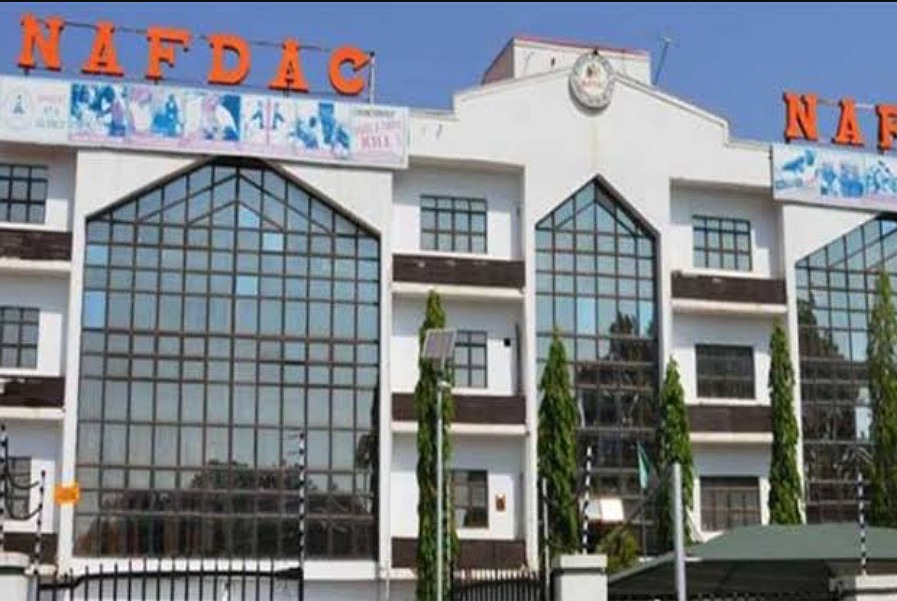
In a decisive move to protect consumers and ensure the integrity of Nigeria’s marketplace, the National Agency for Food and Drug Administration and Control (NAFDAC) recently seized expired, fake, and unregistered products worth over ₦350 million in Kano State. This high-impact enforcement operation offers key lessons and warnings for smart entrepreneurs across Nigeria’s retail, import, and distribution sectors.
The Crackdown
Over a focused three-day operation, NAFDAC’s enforcement teams stormed Singer Market and several high-traffic supermarkets in the Kano metropolis. The outcome? Massive hauls of expired candies, beverages, and cosmetics, many of which were foreign products with no English labeling or regulatory approval.
This bust wasn’t random. It was prompted by petitions from concerned citizens, reflecting a growing public intolerance for unsafe and deceptive business practices.
Why This Matters to You as a Smart Entrepreneur
NAFDAC’s action is more than a headline it’s a direct signal to Nigerian business owners, especially those involved in FMCG, retail, cosmetics, and food imports, to review their supply chains and compliance processes.
Related: Jobberman Launches Free Skills Program for 30,000 Youths
Here’s what this development means for your business:
- Regulatory Non-Compliance Can Be Costly: Aside from seized goods, businesses involved could face legal action, loss of licenses, and reputational damage.
- Ignorance Isn’t a Defense: Selling unregistered or improperly labeled products even unknowingly puts your brand at risk.
- Consumer Trust Is On the Line: Today’s customers are alert and vocal. Carrying substandard or expired items can lead to backlash and reduced customer loyalty.
Bigger Picture: NAFDAC’s Nationwide Push
This Kano raid is just one part of NAFDAC’s broader crackdown. Earlier this year, the agency:
Destroyed ₦1.37 billion worth of counterfeit goods in Abuja (January 2025).
Dismantled ₦4.7 billion worth of fake and expired items in Rivers State (February 2025).
NAFDAC is also pushing for the Counterfeit Medical Products Bill to be passed into law, a move that would further strengthen the legal framework around product safety and enforcement.
What Smartpreneurs Should Do Now
- Audit Your Inventory: Check product expiration dates, labeling, and NAFDAC registration numbers.
- Know Your Suppliers: Vet every source to ensure they meet legal and ethical standards.
- Educate Your Team: From procurement to sales, ensure staff are trained on spotting non-compliant goods. Build Trust Through Transparency: Make regulatory compliance part of your brand’s value proposition.
Final Word
For Nigeria’s forward-thinking entrepreneurs, regulatory compliance isn’t just a box to tick, it’s a competitive advantage. In a market flooded with low-quality goods, standing out as a trusted, compliant brand can be the foundation for long-term success.
Stay smart. Stay compliant. Stay ahead.


