
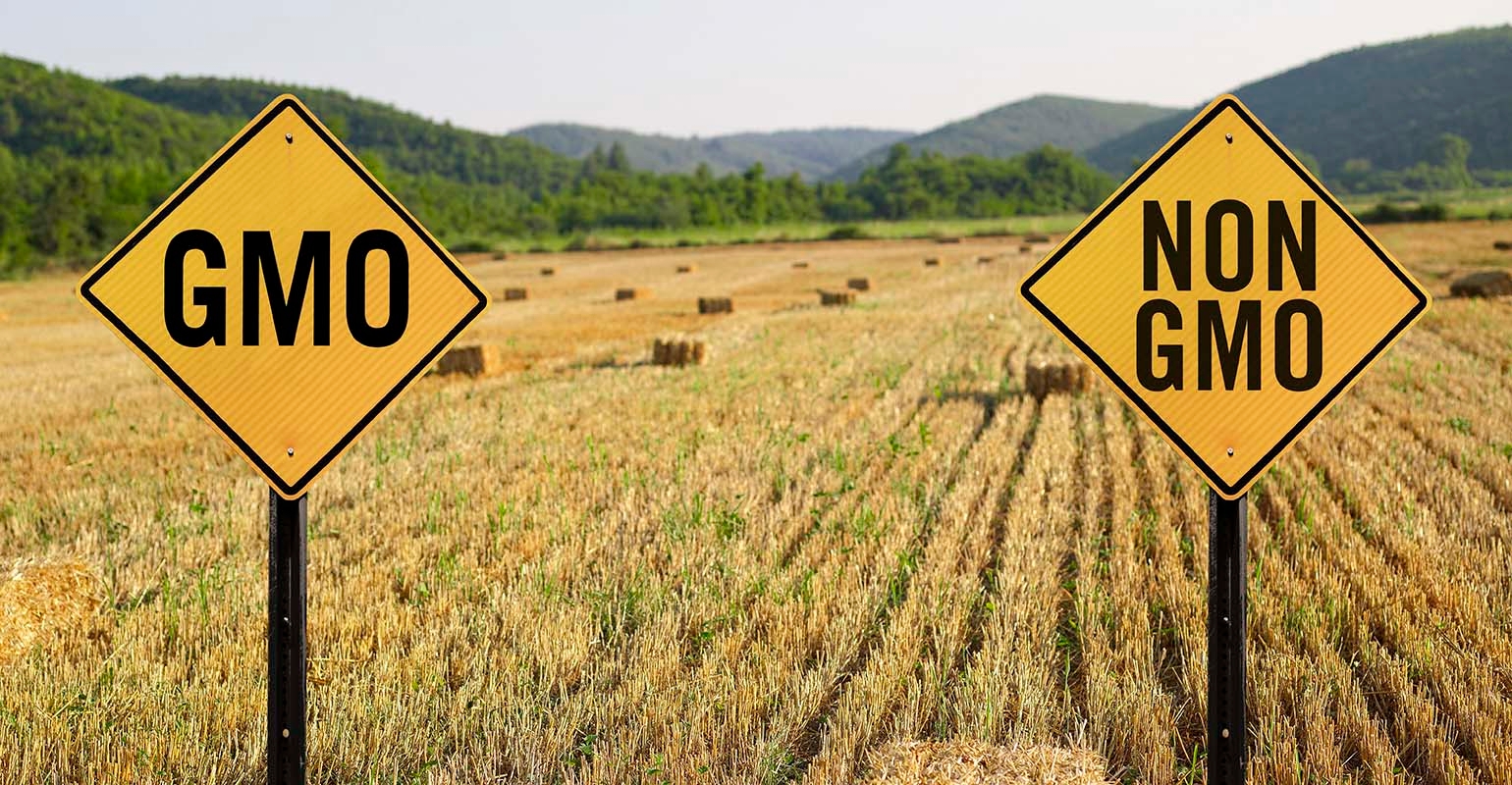
Nigeria’s Agricultural Future Depends on Smart Choices
Every nation thrives when its people are well-fed. In Nigeria, we cherish our diverse cuisine. Moreover, food remains essential for sustaining all life forms. Therefore, it ranks as a basic human right.
Who doesn’t enjoy the variety of Nigerian delicacies at an Owambe? Our Jollof rice, pounded yam, and Tuwon Shinkafa represent more than meals. These foods embody our cultural identity, Additionally, our crops and animals must be seen as our national treasures. However, we risk losing this heritage if we don’t carefully examine GMO disadvantages.
Recently, conversations about Bill Gates’ GMO introduction efforts have sparked intense debates. Consequently, Nigerians are divided on this critical issue. While some view GMOs as scientific progress, others see them as a potential threat. Nevertheless, both perspectives deserve serious consideration.
The Twitter Debate: Nigeria Agricultural Mechanization vs GMO
The Nigerian Twitter space recently erupted over GMO adoption. Notably, prominent voices like Aproko Doctor and investigative journalist David Hundeyin took opposing stances.
Aproko Doctor advocated for GMO’s potential benefits in addressing food security. Conversely, David Hundeyin raised critical questions about long-term GMO implications. Specifically, he highlighted concerns about agricultural sovereignty and multinational corporate interests.
This exchange reflected broader national conversations about Nigeria’s agricultural future. Ultimately, it highlighted a fundamental question: Should Nigeria embrace genetic modification or focus on Nigeria agricultural mechanization instead?
Why Nigeria Agricultural Mechanization Beats Genetic Modification
Nigeria’s agricultural mechanization represents the real solution to our farming challenges. Our farmers have struggled with hoes and cutlasses for too long. Therefore, the answer lies not in altering crop genetics but in providing modern tools and equipment.
Nigeria’s agricultural mechanization offers several key advantages:
Immediate Productivity Impact
Modern farming equipment instantly increases productivity. Unlike GMO crops, mechanization doesn’t require years of testing. Consequently, farmers see immediate results from their investment.
Cultural Heritage Preservation
Nigeria’s agricultural mechanization maintains our traditional crop varieties. Subsequently, we improve yields through better farming practices while preserving our agricultural heritage.
Farmer Independence
Mechanized farming returns control to Nigerian farmers. Unlike GMO seeds with restrictive patents, Nigeria’s agricultural mechanization empowers local agricultural communities.
Economic Growth Opportunities
Investment in Nigeria’s agricultural mechanization builds local capacity. Additionally, it creates jobs in equipment manufacturing, maintenance, and operation.
Hidden GMO Dangers That Nigeria’s Agricultural Mechanization Avoids
GMOs present significant risks to Nigerian agriculture. In contrast, Nigeria’s agricultural mechanization offers safer alternatives:
Economic Dependency Crisis
GMO seeds come with patent restrictions preventing seed saving. Therefore, farmers must purchase new seeds annually from multinational corporations. This dramatically increases production costs while reducing farmer autonomy.
Nigeria’s agricultural mechanization eliminates this dependency. Instead, farmers invest once in equipment that serves multiple seasons.
Ecological System Disruption
GMOs threaten ecological diversity in agricultural regions. Furthermore, they may cross-pollinate with indigenous varieties. Nigeria’s rich biodiversity, developed over thousands of years, faces irreversible damage.
However, Nigeria’s agricultural mechanization preserves ecological balance. It works with existing crop varieties rather than replacing them.
Soil Health Degradation
GMO crops require specific herbicides and pesticides. Consequently, this leads to gradual soil health degradation. Additionally, it eliminates beneficial microorganisms essential for sustainable agriculture.
Nigeria’s agricultural mechanization promotes soil health through precision farming. Moreover, it reduces chemical dependency while maintaining productivity.
Indigenous Variety Loss
GMO market dominance threatens traditional crop varieties. These varieties have adapted to local conditions over generations. Once lost, this genetic diversity and cultural heritage disappear forever.
Nigeria’s agricultural mechanization protects indigenous varieties. Furthermore, it enhances their productivity without genetic alteration.
Nigeria Agricultural Mechanization: Breaking Colonial Patterns
The GMO push resembles historical colonization patterns. Just as colonial powers extracted resources and created dependency, GMO corporations threaten agricultural independence.
Consider these parallels:
Resource Control: Colonial powers controlled land; GMO corporations control seeds and genetic material.
Economic Dependency: Colonialism created dependent economies; GMO patents create perpetual farmer reliance on corporations.
Cultural Replacement: Colonialism replaced local customs; GMO adoption threatens indigenous crop varieties and farming knowledge.
Wealth Extraction: Colonial systems extracted wealth for colonizers; GMO systems extract ongoing payments for corporate shareholders.
Nigeria’s agricultural mechanization breaks these patterns. Instead of creating dependency, it builds local capacity and farmer independence.

Global Lessons for Nigeria’s Agricultural Mechanization
Many countries approach GMOs cautiously. For instance, India only allows GMO crops that are not for direct human consumption. This reflects an understanding that genetic modification requires extensive long-term studies.
European countries maintain strict GMO regulations. They prioritize food safety and environmental protection. These examples demonstrate that technological capability doesn’t mean we should embrace every innovation.
Nigeria’s agricultural mechanization follows this cautious approach. It leverages proven technology while protecting our agricultural sovereignty.
Related: FG Launches Fashion Training to Boost Creative Sector
The Nigerian Agricultural Mechanization Renaissance Path
Nigeria can achieve food security without compromising its heritage or sovereignty. Nigeria’s agricultural mechanization provides this pathway:
Massive Mechanization Investment
The government and private sector must invest in modern farming equipment. Additionally, irrigation systems and processing facilities need development.
Agricultural Education Programs
Training programs should teach farmers modern techniques for traditional crops. Nigeria’s agricultural mechanization requires skilled operators to maximize benefits.
Research and Development Focus
Local agricultural research should improve indigenous varieties through conventional breeding. This supports Nigeria’s agricultural mechanization while preserving genetic diversity.
Infrastructure Development
Better roads, storage facilities, and transportation networks reduce post-harvest losses. These complement Nigeria’s agricultural mechanization efforts effectively.
Financial Support Systems
Accessible credit and insurance help farmers adopt mechanized methods. Nigeria’s agricultural mechanization requires initial investment support for widespread adoption.
Value Chain Enhancement
Processing and packaging facilities add value to agricultural products. This creates more income opportunities alongside Nigeria’s agricultural mechanization.
Nigeria Agricultural Mechanization for True Independence
Nigeria stands at a crucial crossroads. We can choose technological dependency through GMO adoption. Alternatively, we can pursue Nigeria’s agricultural mechanization and sustainable agricultural development.
Our choice today determines not just tomorrow’s food, but who controls it. Our Jollof rice, pounded yam, and indigenous grains symbolize our identity and independence.
Let’s not trade agricultural sovereignty for genetic modification’s false promises. Instead, let’s invest in Nigeria’s agricultural mechanization that empowers farmers and preserves heritage.
Nigeria’s agricultural mechanization offers genuine agricultural development. Our farmers deserve tractors, not dependency. Our nation deserves food security, not corporate control.
The time has come to embrace Nigeria’s agricultural mechanization over agricultural colonization. The choice is ours, and we must make it now.


