
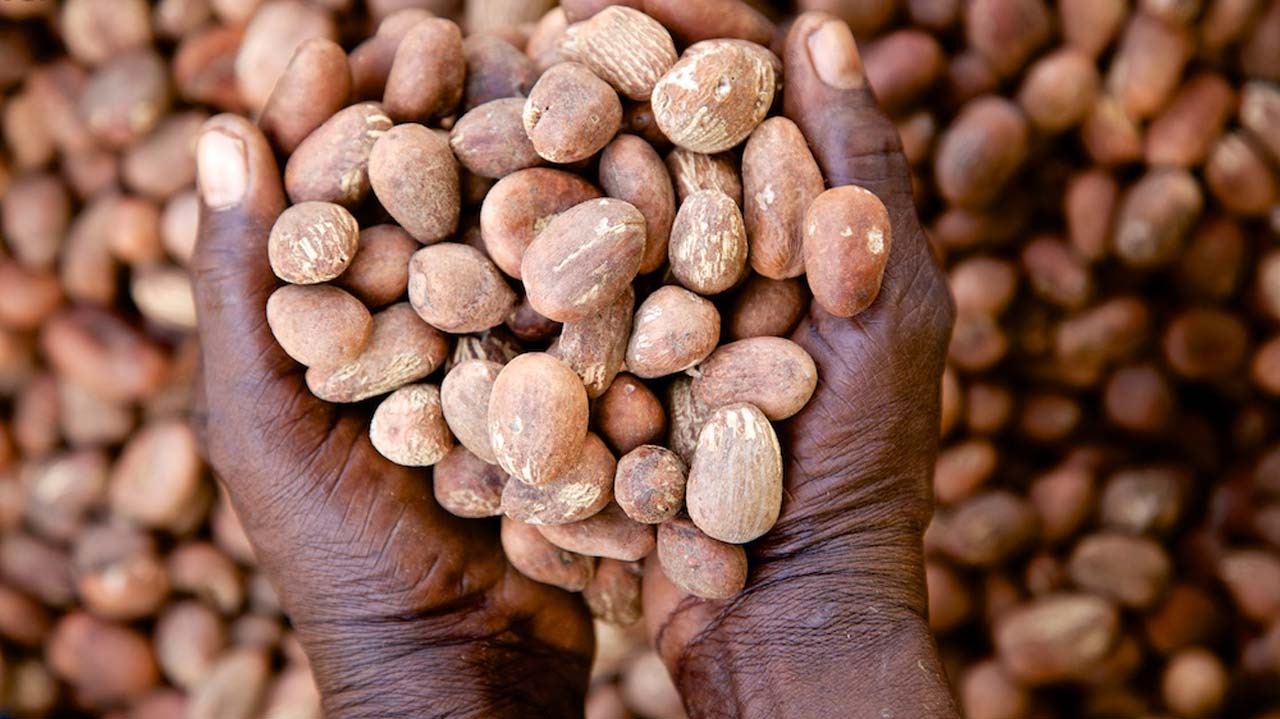
After an initial plunge, shea nut prices in Nigeria are rebounding strongly, a shift largely driven by the federal government’s export ban on raw shea nuts and a renewed emphasis on value addition. The policy, which aligns with Nigeria’s “First Economic Policy” agenda, is helping reposition the country in the global shea market.
Price Volatility, Then Recovery
Before the ban, raw shea nuts traded at about ₦850 per kilogram. Once the government restricted exports, prices tumbled to around ₦570/kg, reflecting the shock to traders and middlemen. But by mid-September, prices had clambered back to ₦710/kg, and by month’s end, reached ₦800/kg. As of early October, average rates now hover around ₦1,000/kg a sign that market confidence is returning.
This rebound underscores the delicate balance between supply, demand, and policy leverage in commodity markets, especially for agropreneurs and SMEs in agriculture.
Related: West Africa Urged to Fast-Track Capital Market Integration
Why the Export Ban Matters
Nigeria supplies more than one-third of the world’s shea, yet captures less than 1 percent of the global shea value chain due to excessive raw exports and minimal in-country processing.
The export ban is designed to reverse this: keep raw material within Nigeria, revitalize local industries, and push up the value chain. Already, over 20 processing plants that were dormant or severely underutilized (running below 30 % capacity) are being revived. For SMEs and rural communities, this spells new opportunities, more stable incomes, and a stronger foothold in what was once dominated by foreign players.
Complementing the export ban is the 30% Value Addition Bill, championed by the Raw Materials Research & Development Council (RMRDC) and passed by Nigeria’s Senate in July. Once enacted, it will legally require that any raw material of Nigerian origin exported must first undergo at least 30% domestic processing.
The twin strategies, an export ban plus mandated value addition, are intended to create compelling incentives for local processing, deepen agro-industrial capacity, and reduce Nigeria’s reliance on raw commodity exports.
Stakeholder Response & Challenges Ahead
Industry groups generally welcome the directives, citing greater market stability, enhanced predictability, and improved margins for local processors. For farmers and women harvesters in particular, the restored demand is translating into stronger bargaining power and better incomes.
Still, obstacles remain. Ensuring smooth implementation across states, guaranteeing infrastructure (power, transport, storage), and closing capacity gaps in processing technologies are significant tasks. To that end, the Ministry of Industry, Trade and Investment is spearheading stakeholder engagements, and the Presidential Food Systems Coordinating Unit plans a rapid assessment across key shea-producing states in November.


