As South Africa’s democratic journey continues to evolve, understanding the electoral system is crucial for every citizen. From the voting process to the allocation of seats, here’s everything you need to know about South Africa’s electoral system:
1. Proportional Representation: South Africa employs a system of proportional representation (PR) for its national and provincial elections. This means that political parties are allocated seats in the National Assembly and provincial legislatures based on the percentage of votes they receive in the election.
2. National Assembly: The National Assembly is the lower house of Parliament and consists of 400 members elected to represent the people of South Africa. Citizens cast their votes for political parties, rather than individual candidates, using a closed list system.
READ ALSO: Jacob Zuma’s Influence in Modern-Day South Africa
3. Closed List System: In the closed list system, each political party submits a list of candidates in order of preference. Voters select their preferred party, and the seats are allocated to the parties based on the proportion of votes they receive. The candidates at the top of each party’s list are elected first.
4. Provincial Legislatures: In addition to the National Assembly, South Africa has nine provincial legislatures, each with its own legislature. The number of seats in each provincial legislature is determined by the population of the province, and seats are allocated to parties based on their share of the vote in each province.
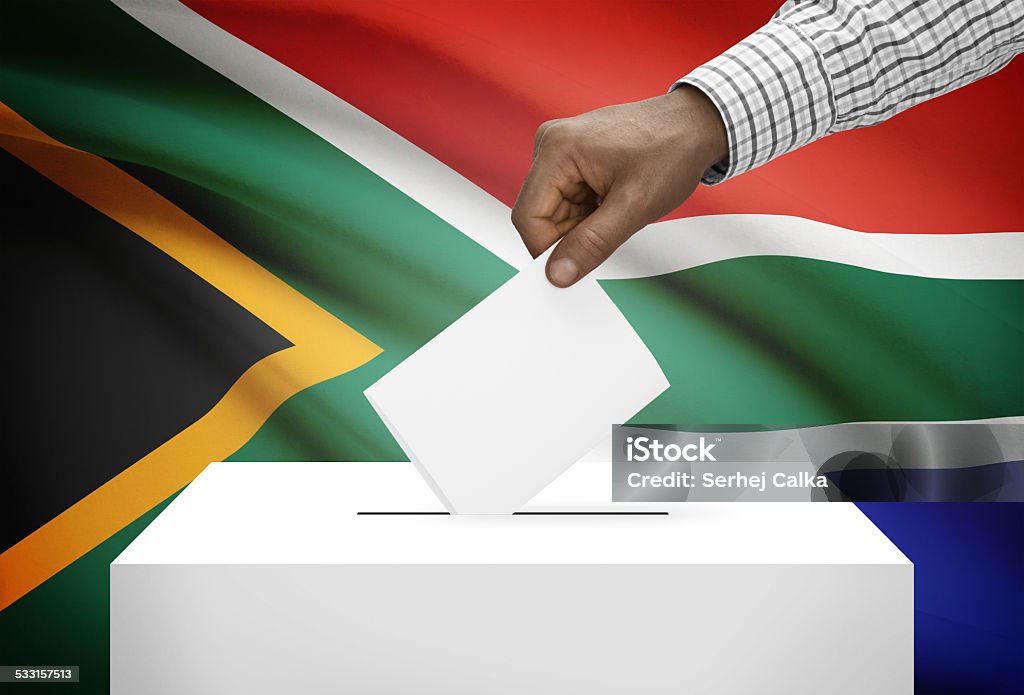
5. Voting Process: On election day, citizens go to their designated polling stations to cast their votes. Each voter receives two ballot papers: one for the national election and one for the provincial election. They mark their choice by placing a cross next to the party of their preference.
6. Independent Electoral Commission (IEC): The Independent Electoral Commission is responsible for overseeing all aspects of the electoral process in South Africa. This includes voter registration, the conduct of elections, and the counting of votes. The IEC plays a crucial role in ensuring free, fair, and transparent elections.
7. Importance of Participation: Every vote counts in South Africa’s electoral system. By participating in the electoral process, citizens exercise their democratic right to have a say in the governance of the country. Voting is not only a civic duty but also a powerful tool for shaping the future of the nation.
8. Accountability and Representation: Through the electoral system, citizens hold political parties accountable for their actions and policies. Elected representatives are expected to serve the interests of the people who voted for them, and voters have the opportunity to express their satisfaction or dissatisfaction with the government through the ballot box.
In conclusion, understanding South Africa’s electoral system is essential for every citizen. By participating in the electoral process, citizens uphold the principles of democracy, ensure accountability and representation, and contribute to the vibrant political landscape of the nation. So, when the next election comes around, be informed, be engaged, and exercise your right to vote.