
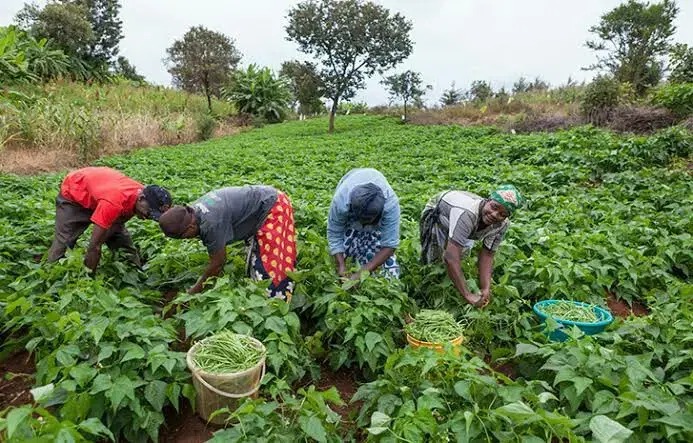
In a heartfelt appeal that hits home, the All Farmers Association of Nigeria (AFAN) has raised grave concerns about the fragility of Nigeria’s food system. Key threats—insecurity, inflation, climate change, and weak purchasing power of the naira could severely strain the nation’s food security unless action is taken swiftly.
AFAN’s National President, Kabir Kebram, paints a clear picture: “Our food system is impaired for many reasons. Insecurity is crippling farmers, especially in food-basket areas. The purchasing power of our naira has dropped since the removal of subsidies, and the effects of climate change are adding to the problem.” His words underscore a perilous reality, and a need for immediate solutions.
Kebram urges policymakers to pivot toward strong policy implementation and direct support for smallholder farmers, a group he calls the “backbone of the nation’s food production.” His key recommendations:
- Access to credit and subsidies to empower farmers financially
- Mechanisation and climate-smart agriculture to boost productivity and resilience
- A balance of short-term fixes and long-term strategies to keep pace with Nigeria’s growing population and food demand.
Related: Dangote Group Partners with Ethiopia for Massive 3mmt Fertiliser Facility
Kebram made it clear that the government’s role is not to farm itself, but to cultivate an enabling environment. This includes helping smallholder farmers adopt technology and reach markets efficiently.
He also points to the economic opportunity inherent in Nigeria’s burgeoning population:
“With a large population, demand for food is high. Entrepreneurs can seize opportunities in production, processing, and distribution—without necessarily farming themselves.”
This highlights how agribusiness by MSMEs, food processing, and food distribution can flourish alongside the farm sector.
A Strategy That Builds Jobs and Rural Economies
Supporting smallholder farmers, Kebram argues, goes beyond food security—it also stimulates job creation. As farms become more mechanized, large-scale agriculture will expand, paving the way for youth employment and MSME growth in processing, packaging, storage, and marketing. This, in turn, can invigorate rural economies.
The Stakes: Food Insecurity on the Rise
Compounding the urgency is the fact that over 31.8 million Nigerians are currently grappling with acute food insecurity. Kebram’s warning is clear: without integrated interventions, the food crisis may deepen. He is calling on policymakers, private sector players, and development partners to unite in strengthening Nigeria’s food resilience through smallholder empowerment, access to credit, mechanisation, and agribusiness value chains


