
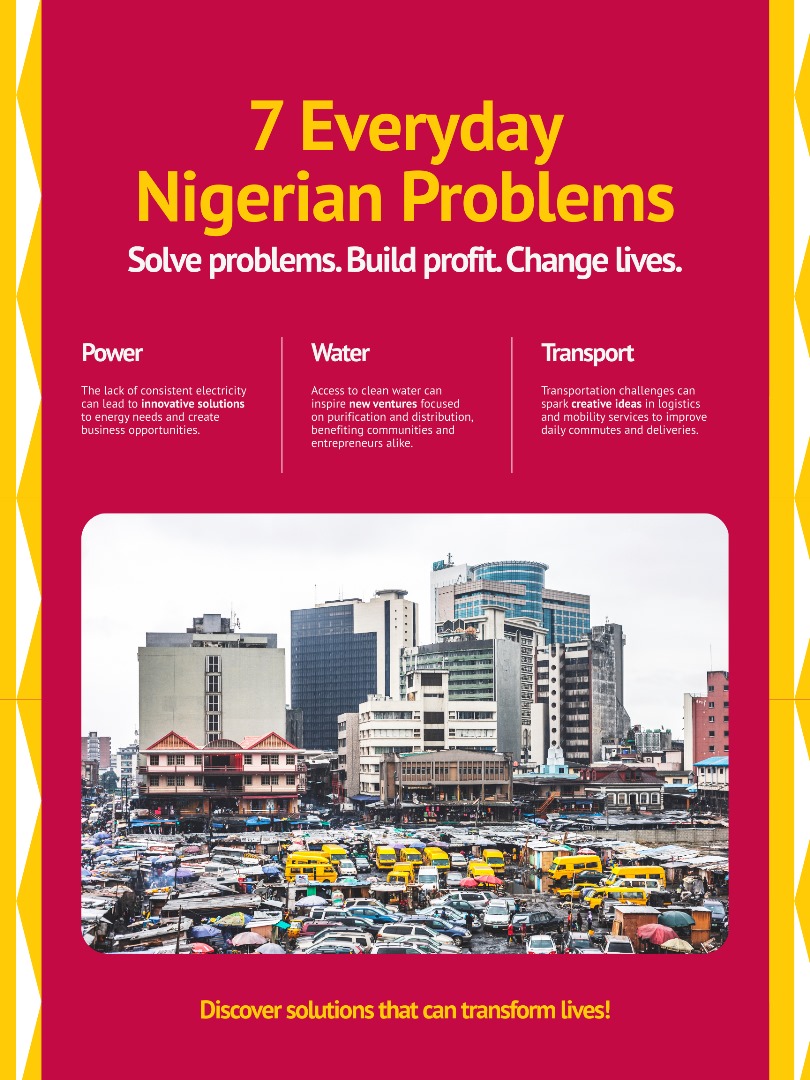
Nigeria is full of challenges, but inside those challenges are opportunities. From water shortages to transport issues, problems that frustrate people daily can be turned into thriving businesses. The secret is simple: solve the problem in a way people can afford.
1. Profitable Business Ideas in Nigeria from Power Supply Gaps
Access to constant electricity is still a dream in many parts of Nigeria. Homes and businesses depend on generators or solar systems. This opens the door for solar panel installation, inverter sales, and the sale of rechargeable gadgets. People are ready to pay for power they can trust.
2. Profitable Business Ideas in Nigeria from Water Shortages
Many Nigerians do not have clean water on demand. That is why borehole drilling, water treatment, and sachet water businesses do so well. Affordable water delivery to homes and offices remains a strong business idea.
3. Profitable Small Business Ideas in Nigeria for Transport Solutions
Traffic and bad roads waste time and money. Bike-hailing, logistics, and ride-sharing services have grown from this frustration. A delivery service that gets goods across a city fast is a business that never runs out of demand.
Related: OPay Launches “My OPay Security Vote Challenge” to Strengthen Digital Safety for SMEs
4. Business Opportunities in Nigeria Through Waste Management
Waste disposal is a big problem across cities. Entrepreneurs are now making money from recycling plastics, metals, and food waste. Even a small neighbourhood collection service can grow into a serious company.
5. Profitable Small Business Ideas in Nigeria from Food Supply
Farmers often lose crops because there is no proper storage or transport. Businesses that provide cold storage, packaging, or food delivery can solve this while making a profit.
6. Business Opportunities in Nigeria Through Education Solutions
Quality education is still out of reach for many. Online tutoring, skill centres, and vocational schools are filling the gap. Parents and students are willing to pay for extra help.
7. Profitable Business Ideas in Nigeria for Healthcare Gaps
Hospitals are overcrowded, and healthcare is costly. Telemedicine apps, pharmacy deliveries, and affordable clinics are now meeting the need. This is a growing space for new ideas.
Final Word: Everyday Problems Create Profitable Business Ideas in Nigeria
Everyday problems in Nigeria are business opportunities. Instead of complaining, entrepreneurs can create solutions people will pay for. Solve a problem that touches millions, and you have the base for a profitable and lasting business.
Frequently Asked Questions (FAQs) on Profitable Business Ideas in Nigeria
1. What are the most profitable business ideas in Nigeria right now?
Some of the most profitable ideas include solar power solutions, water delivery, logistics and transport, waste recycling, food storage, online tutoring, and healthcare services. These address everyday problems millions of Nigerians face.
2. Which small businesses grow fastest in Nigeria?
Small businesses in food supply, logistics, and digital services grow the fastest. People will always spend on food, reliable delivery, and online learning. These businesses require moderate startup capital and can scale quickly.
3. How can I start a profitable business in Nigeria with little capital?
Start small by focusing on services rather than products. For example, tutoring, delivery services, digital marketing, or waste collection can begin with little capital. The key is solving a problem people already need help with.
4. Why do many Nigerian startups fail?
Most fail because of poor financial management, lack of structure, and overdependence on loans. Others collapse because they don’t solve real problems. Businesses that survive usually focus on meeting daily needs like power, water, food, and transport.
5. What problems in Nigeria can be turned into business opportunities?
Common problems that can be turned into businesses include power supply shortages, clean water access, traffic and logistics issues, waste management, poor food storage, education gaps, and limited healthcare access.


