
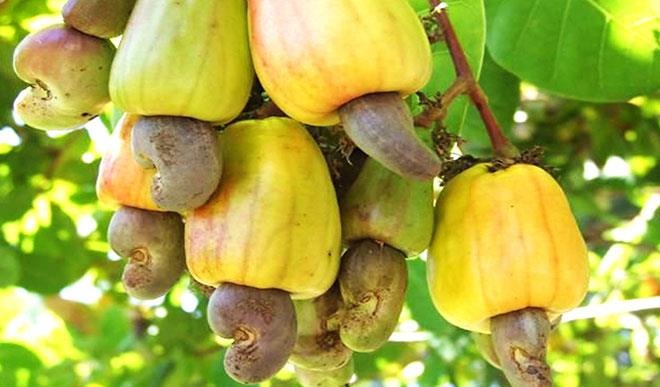
The National Cashew Association of Nigeria (NCAN) has raised strong opposition to ongoing discussions around restricting or banning the export of raw cashew nuts, warning that such a move could plunge millions of smallholder farmers into hardship and disrupt Nigeria’s agricultural economy.
In a statement signed by its National President, Dr. Joseph Ojo Ajanaku, NCAN stressed that banning raw cashew exports would drive down farmgate prices, reduce farmers’ incomes, and encourage smuggling to neighbouring countries.
“Processors are partners, not adversaries. We support value addition and industrialisation, but not at the expense of our farmers. Sustainable growth must be driven by incentives and innovation, not by punishing the very people who keep Nigeria’s cashew industry alive,” Dr. Ajanaku said
Core Issues Behind Processing Challenges
While the association reaffirmed its commitment to promoting local cashew processing, it pointed out that the real bottlenecks facing processors are not exports but poor operating conditions.
NCAN identified high energy costs, inadequate infrastructure, and limited access to affordable financing as the key challenges preventing processors from scaling operations.
The body called for the creation of Special Agro-Processing Loans with interest rates below 5% and urged better utilisation of funds from the National Agricultural Development Fund (NADF), the Bank of Industry (BoI), and relevant CBN intervention schemes.
According to NCAN, such financing interventions would not only empower processors but also create jobs and increase Nigeria’s competitiveness in the global cashew value chain.
Related: Afreximbank, BOA seal $1bn deal for Nigerian farmers
Implications of an Export Ban
NCAN warned that enforcing a ban on raw cashew exports would have far-reaching consequences, including:
- Loss of farmer livelihoods due to depressed farmgate prices.
- Increased smuggling of raw cashews across borders.
- Violation of Nigeria’s obligations under the African Continental Free Trade Area (AfCFTA).
- Reduced investor confidence in Nigeria’s agricultural sector.
The association urged the government to focus on creating an enabling environment for processors rather than adopting punitive measures that harm farmers.
As part of its efforts to strengthen the cashew value chain, NCAN also announced the launch of the Farmers Mapper App, a digital tool designed to improve transparency and planning in the sector.
The app will enable real-time farmer data collection, improve supply chain visibility, and help policymakers make informed decisions about the cashew industry.
Dr. Ajanaku noted that technology-driven solutions like the Farmers Mapper App are essential to building a more efficient and sustainable cashew sector.
Why This Matters
Nigeria is one of Africa’s largest producers of cashew, with millions of smallholder farmers relying on the crop as their primary source of livelihood. The industry contributes significantly to the country’s agricultural exports and has the potential to create thousands of jobs if processing capacity is expanded.
However, NCAN insists that growth should be driven by supportive policies, access to finance, and technology adoption, rather than restrictions that could hurt the very farmers sustaining the industry.
The cashew debate highlights a broader question about Nigeria’s agricultural future—whether the country will pursue policies that support inclusive growth for both farmers and processors or resort to restrictive measures that risk destabilising rural economies.
With the launch of the Farmers Mapper App and renewed calls for agro-financing reforms, NCAN has made its stance clear: the path forward must balance farmer welfare, industrialisation, and global competitiveness.


