
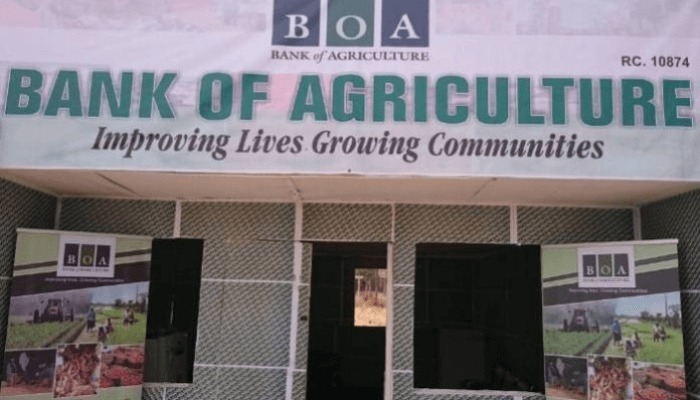
In a historic move that could transform Nigeria’s agricultural sector, the African Export–Import Bank (Afreximbank) has signed a landmark $1 billion facility agreement with the Bank of Agriculture (BOA) to support millions of Nigerian smallholder farmers.
The agreement, sealed during the Intra-African Trade Fair (IATF 2025) in Algiers, Algeria, is designed to provide affordable credit, modern infrastructure, and improved market access to farmers who form the backbone of Nigeria’s food production system.
Nigeria’s smallholder farmers, who account for the majority of food production, have long faced challenges such as limited access to credit, post-harvest losses, poor storage, and lack of mechanisation. This $1 billion deal aims to bridge these gaps across the agricultural value chain.
The facility will:
- Provide farmers with access to loans for inputs such as seeds, fertilisers, and agrochemicals.
- Support mechanised farming and technology-driven solutions.
- Invest in storage and aggregation facilities to reduce post-harvest losses.
- Strengthen processing capacity and value addition to boost competitiveness in local and export markets.
- Build structured market linkages connecting farmers directly to buyers, processors, and exporters.
Related: Turning Everyday Nigerian Problems Into Profitable Business Ideas in Nigeria
Why It Matters
Agriculture contributes significantly to Nigeria’s GDP, yet smallholder farmers often struggle with poverty due to financial and infrastructural barriers. By unlocking affordable financing and improving efficiency, this initiative is expected to increase productivity, create jobs, and enhance food security.
For many farmers, this could mean the difference between subsistence farming and thriving agribusiness. A maize farmer in Kaduna, for instance, will now have better access to fertilisers, mechanised ploughing, and storage – ensuring larger yields and better market prices.
Speaking at the signing, Afreximbank executives reaffirmed their commitment to empowering African agribusiness as a driver of sustainable development, while BOA officials described the facility as a lifeline for Nigeria’s rural farmers, ensuring they gain fair access to resources and markets.
Opportunities for Entrepreneurs and Innovators
Beyond farmers, the facility opens doors for agritech startups, logistics providers, and agribusiness entrepreneurs who can partner with BOA and Afreximbank to deliver innovative solutions in financing, supply chain management, and processing.
This initiative sends a strong signal to impact investors, technology innovators, and agripreneurs: Nigeria’s agricultural sector is ready for transformation, and the time to plug into the ecosystem is now.


