
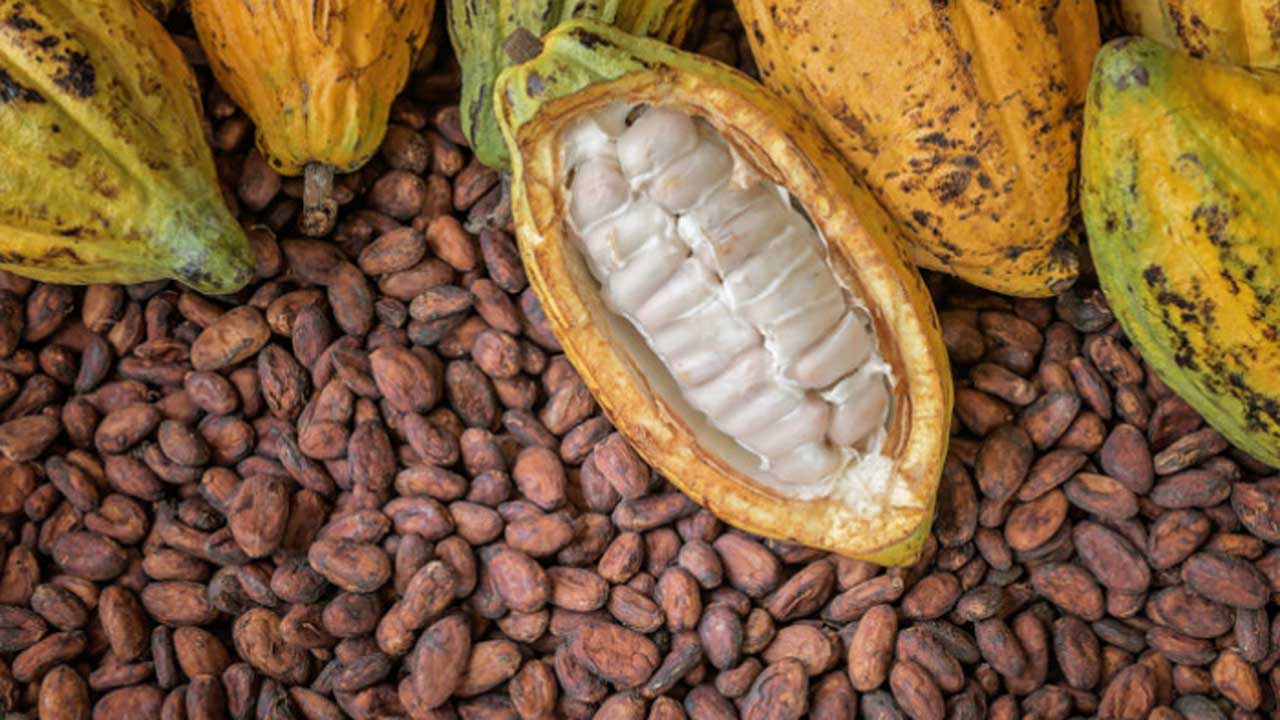
West Africa’s cocoa industry is experiencing a surprising twist: rising global cocoa prices are driving a multi-year export boom across major producers like Nigeria, Ghana, and Côte d’Ivoire even as overall production continues to decline.
This shift highlights a powerful economic reality: price can sometimes outweigh production volume in determining export performance.
Over the past two years, global cocoa prices have experienced extreme volatility reaching historic highs due to supply shortages before easing slightly in 2026.
Despite recent dips, the earlier surge created a strong window of opportunity for cocoa-exporting nations. Countries like Nigeria capitalised on this, recording significant increases in export earnings, even with lower output volumes.
For instance, Nigeria’s cocoa exports have seen notable growth, supported by stronger global demand and favorable exchange rates. While export revenues are climbing, production across West Africa is heading in the opposite direction. Nigeria’s cocoa output is projected to fall by about 11% in the 2025/2026 season, Côte d’Ivoire is also expecting a double-digit decline in production
This decline is largely driven by:
- Ageing cocoa trees
- Climate-related challenges
- Crop diseases
- Underinvestment in farms
In simple terms: farmers are producing less, but earning more per tonne, at least for now.
Related: Innovate Pitch and Grant 2026 Offers $5000 for Entrepreneurs
Why This Matters for African Economies
Cocoa remains a critical export commodity for West Africa. For countries like Ghana and Côte d’Ivoire, it contributes significantly to national revenue and supports millions of livelihoods.
The recent export boom is helping:
- Boost foreign exchange earnings
- Strengthen trade balances
- Support rural economies
However, the situation is not entirely stable.
The Risk Beneath the Boom
The cocoa market is currently facing a delicate balance. After hitting record highs in 2024, prices dropped sharply due to:
- Improved harvest expectations
- Weak global demand
- Oversupply concerns
This has already forced major producers like Ghana to cut farmgate prices by nearly 30% to remain competitive.
The implication of this is that while exporters benefited earlier, farmers are beginning to feel the pressure.
For Nigerian agribusiness players and exporters, this moment presents both opportunity and caution:
Opportunities:
- Higher export earnings per tonne
- Increased global demand for African cocoa
- Growing interest in cocoa farming and processing
Challenges:
- Declining production levels
- Price volatility
- Need for investment in modern farming techniques
The cocoa story is a classic lesson in business: market timing and pricing power can outweigh volume temporarily. But for long-term sustainability, Nigeria must:
- Invest in cocoa processing (not just raw exports)
- Support farmers with better inputs and financing
- Modernise plantations
Because while the current boom is real, it won’t last without stronger production fundamentals.


