
The FG skills programme has officially commenced, with the federal government set to train more than 18,000 Nigerians in vocational and entrepreneurial skills across the country. The initiative aims to reduce unemployment, promote self-employment and empower beneficiaries with trade-specific starter packs to launch their own businesses.
The nationwide programme, implemented by the National Social Investment Programme Agency (NSIPA), begins at 229 accredited training centres spread across the 36 states and the Federal Capital Territory.
FG Skills Programme Targets 18,000 Nigerians
The FG skills programme is part of President Bola Tinubu’s Renewed Hope Agenda, which focuses on lifting vulnerable Nigerians out of poverty through skills development and entrepreneurship.
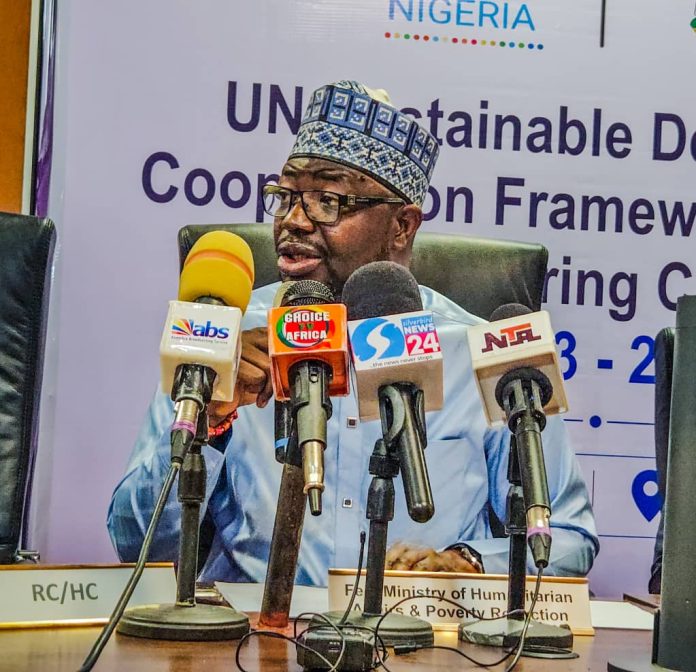
Speaking during the launch in Abuja, the Minister of Humanitarian Affairs and Poverty Reduction, Dr Bernard Doro, said the initiative would equip participants with practical skills that can generate sustainable income.
He explained that the programme targets people who already possess basic vocational knowledge but need advanced training to become more productive and competitive.
Related: FirstBank and FG Back Women’s Vocational Skills Training in Nigeria
Participants Will Receive Free Starter Packs
One of the major highlights of the FG skills programme is the distribution of free trade-specific starter packs.
After completing the two-week training, successful participants will receive tools and equipment related to their chosen trades. These starter packs will help beneficiaries establish businesses immediately after graduation.
Furthermore, the government has introduced a digital monitoring system to track every starter pack and ensure beneficiaries use them for their intended purpose.
Officials also warned participants against selling the equipment.
Training Covers 14 Vocational Skills
The FG skills programme offers training in 14 vocational trades designed to meet Nigeria’s growing demand for skilled workers.
The available trades include:
- Agriculture
- Automobile technology
- Fashion design
- Baking and confectionery
- Carpentry
- Catering
- Electrical installation
- Plumbing
- Welding
- Masonry
- Hospitality
- Jewellery making
- Grinding machine operations
- Vulcanising
These skills are expected to improve employability while encouraging entrepreneurship across different sectors of the economy.
Entrepreneurship Training Included
Beyond technical skills, participants in the FG skills programme will also receive business development training.
The curriculum includes:
- Business management
- Financial literacy
- Digital literacy
- Customer relations
- Business sustainability
These courses are designed to help beneficiaries manage profitable businesses after completing the programme.
How Beneficiaries Were Selected
According to NSIPA National Coordinator and Chief Executive Officer, Badamasi Lawal, beneficiary selection followed an inclusive process.
The agency worked with:
- State governments
- Members of the National Assembly
- Traditional rulers
- Religious leaders
- Community associations
- Youth groups
- Women’s organisations
- Persons with disabilities
- Other community stakeholders
Priority was given to unemployed youths, women and economically disadvantaged Nigerians with the potential to build sustainable livelihoods.
Government Revives Thousands of Unused Starter Packs
The FG skills programme will also put thousands of unused vocational starter packs into productive use.
Lawal explained that the equipment had remained in government warehouses because of administrative delays.
Instead of allowing the tools to deteriorate, the Federal Government approved their refurbishment and distribution to qualified beneficiaries after practical training.
As a result, more Nigerians will gain access to the equipment they need to start small businesses.
Why the FG Skills Programme Matters
The FG skills programme represents another effort by the Federal Government to tackle unemployment and poverty through practical empowerment.
By combining vocational training, entrepreneurship education and starter packs, the programme gives participants an opportunity to create sustainable sources of income rather than relying on government support.
If successfully implemented, the initiative could help strengthen small businesses, create jobs and support Nigeria’s long-term economic growth.


