
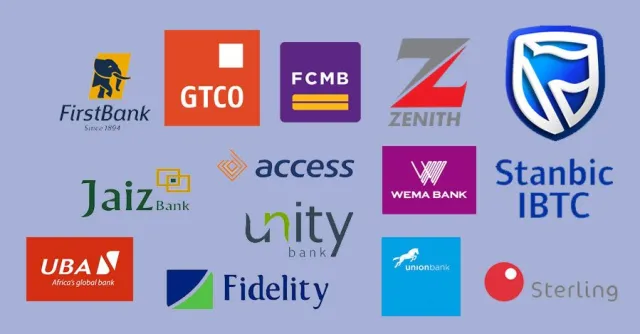
Starting May 1, 2025, customers of Nigerian banks will pay more to receive SMS alerts, following a recent surge in telecom service charges. The cost of SMS alerts has now risen from ₦4 to ₦6, with banks like GTBank and Fidelity Bank already notifying customers of the adjustment. This change is tied directly to increased operational costs in the telecommunications industry, which recently secured approval from the Nigerian Communications Commission (NCC) for a 50% tariff hike.
Telecom operators have cited several factors for the upward review: surging diesel prices, naira depreciation, inflation, and infrastructure challenges. The Association of Licensed Telecom Operators of Nigeria (ALTON) explained that the decision comes after more than a decade of unchanged pricing despite rising costs across the board.
Impact on Small Business Owners
While the change may seem modest, entrepreneurs who rely heavily on SMS alerts for transaction updates could see their monthly expenses climb—particularly businesses that handle frequent daily transactions. For small business owners already grappling with tight budgets and a high cost of operations, this increment adds to growing overhead concerns.
Related: ₦500,000 Grant Initiative Unveiled for Benue Entrepreneurs
Smartpreneur readers are advised to take note: every extra naira counts. With higher charges accumulating over time, business owners should explore alternative solutions to manage communication costs more efficiently.
To ease the impact, many banks are urging customers to switch to email alerts, which remain free of charge. Email notifications can serve the same purpose—offering instant access to transaction records, while also allowing users to keep an organized, searchable archive.
Beyond alerts, this moment highlights the importance of digital agility for Nigerian entrepreneurs. As the cost of doing business continues to shift, adapting to cost-effective technologies becomes a key part of sustainability. Exploring fintech platforms, automating financial tracking, and using data-friendly alternatives can help reduce unnecessary expenses.
With Nigeria’s digital economy evolving rapidly, entrepreneurs must stay informed and flexible. Platforms like Smartpreneur are here to provide the insights and resources small business owners need to thrive, even in challenging times.


