
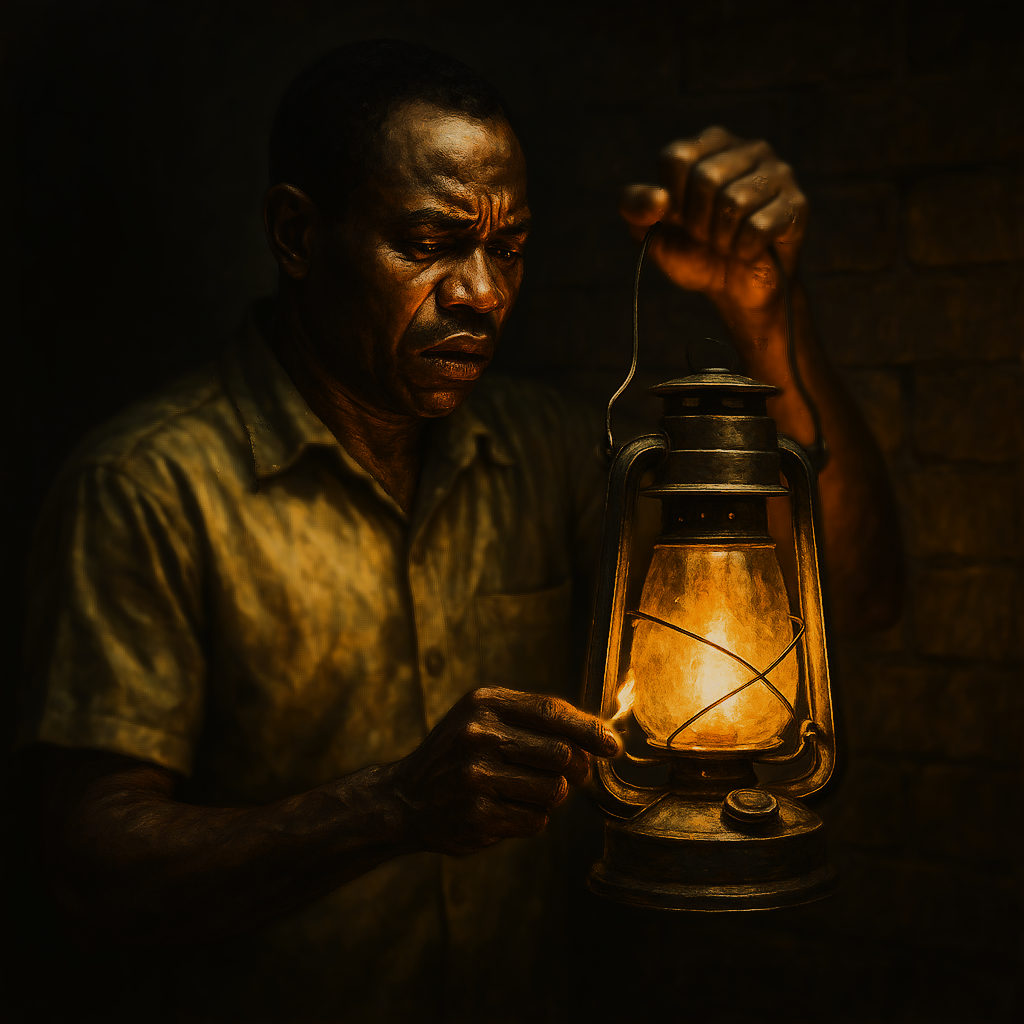
“And God said, Let there be light: and there was light.” — Genesis 1:3
From the dawn of creation, light has symbolized life, order, and progress. In today’s world, Nigeria’s power crisis is more than just an inconvenience—it’s a barrier to economic growth, public health, and national development. Electricity embodies that light, powering economies, industries, and homes. For Nigeria, a nation brimming with potential, the persistent power crisis is a shadow that dims its prospects. It’s time to confront this darkness head‑on, drawing lessons from countries like Spain that understand the gravity of power disruptions.
The Stark Reality of Nigeria’s Power Sector
Despite being among Africa’s largest economies, Nigeria’s power generation remains abysmally low. As of March 2025, the country achieved a peak generation of 5,801.84 megawatts (MW), a record yet still insufficient for its over 200 million population. To put this in perspective, South Africa, with a smaller population, has a generation capacity exceeding 50,000 MW. This glaring shortfall lies at the heart of Nigeria’s power crisis.
Key Challenges Plaguing Nigeria’s Power Sector
The challenges are multifaceted and entrenched in every tier of the sector:
-
Debt Overhang: Generation companies (GenCos) are owed over ₦2.7 trillion, crippling their operations and discouraging investment in resolving Nigeria’s power crisis.
-
Grid Instability: The national grid suffered 12 collapses in 2024, an alarming symptom of infrastructural deficiencies and poor maintenance.
-
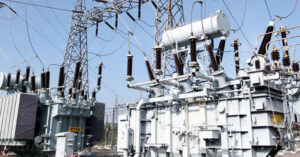
Transmission Woes: The Transmission Company of Nigeria (TCN) remains the weak link, with vandalism and outdated infrastructure causing frequent disruptions in the fight to end Nigeria’s power crisis.
-
Lack of Political Will: Policy inconsistency, bureaucratic bottlenecks, and a lack of vision have kept the sector stagnant, despite its importance to national development. Nigeria’s power crisis.
-
Corruption & Vested Interests: Importers of generator sets and petroleum products lobby against meaningful reforms, profiting from diesel sales while ordinary Nigerians pay the price of Nigeria’s power crisis.
Related: Business Support Just Got Easier with SMEDAN BDSPs
An Expensive Darkness
Corruption in the sector means more money is funnelled in while little is seen; the figures are startling. From 1999 to 2025, Nigeria has allocated over ₦2 trillion to the power sector. Between 2015 and 2023 alone, the Central Bank of Nigeria injected over ₦2.3 trillion in intervention funds. Despite this, national grid output hovers around 4,500 MW for over 200 million people—an apt measure of how deep Nigeria’s power crisis runs.
Global Comparison: Who’s Getting It Right?
-
Egypt added over 28,000 MW to its grid between 2015 and 2018 via a $2.7 billion Siemens deal.
-
South Africa, with one‑third of Nigeria’s population, generates over 58,000 MW.
-
Paraguay, a nation of 7 million, produces 13,000 MW, exporting surplus hydropower.
These issues have real-world consequences. Dele Momodu, publisher of Ovation magazine, relocated his operations to Ghana, citing Nigeria’s unreliable power supply and the exorbitant cost of running generators. His story is not unique; countless local businesses have either shut down or moved operations abroad, while foreign investors in Africa also cite Nigeria’s power crisis as the reason they choose to go elsewhere.
Spain’s Swift Response to a National Blackout
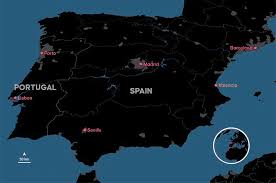
On April 28, 2025, Spain and Portugal experienced one of Europe’s most severe power outages, affecting 60 million people. Transportation ground to a halt, communications failed, and essential services were disrupted. Preliminary investigations pointed to incidents at two solar‑reliant substations in southwest Spain.
-
Economic Losses: An estimated €1.6 billion hit to GDP.
-
Human Cost: Five related fatalities, including an oxygen‐dependent patient in Valencia.
Yet, Spain’s response was commendable. The government launched immediate investigations, with Prime Minister Pedro Sánchez emphasized on the importance of preventing future occurrences. The incident sparked a national conversation on energy resilience, especially concerning the integration of renewable sources, offering a template for ending Nigeria’s power crisis.
Lessons for Nigeria’s Power Crisis
Spain’s experience underscores the critical importance of a stable power supply. For Nigeria, the implications are even more profound:
-
-
Economic Growth: Reliable electricity underpins industrialization, foreign investment, and global competitiveness.
-
Public Health & Safety: Uninterrupted power in hospitals and clinics saves lives.
-
Education & Development: Light for students and businesses fuels human capital and innovation.
-
An African proverb aptly states:
“When there is no light, even the wise walk like fools.”
This encapsulates the disorientation and setbacks caused by power outages.
A Call to Action on Nigeria’s Power Crisis.
Nigeria must declare a state of emergency in the power sector. This involves:
1. Clearing Debts
Settling outstanding payments to GenCos to restore confidence and encourage investment.
2. Infrastructure Overhaul
Investing in modernizing the grid, protecting installations from vandalism, and expanding capacity.
3. Policy Reforms
Implementing transparent policies that encourage private sector participation and ensure accountability.
4. Breaking Vested Interests
Confronting the corruption and commercial interests that benefit from Nigeria’s blackout economy. From the barber in Agege to the shoe manufacturer in Aba, from restaurants in Okene to tanners in Bichi, Kano. Every Nigerian’s livelihood is intertwined with electricity. It’s not just about power; it’s about empowerment.
As an African proverb wisely puts it:
“A man who uses a lamp to look for a light switch is still in the darkness.”
Achieving meaningful economic growth requires a comprehensive overhaul of the power sector. It’s time for Nigeria to ignite that light, illuminating the path to progress and prosperity.
So, what do you think about Nigeria’s power crisis? Have you experienced its impact firsthand? Share your thoughts in the comments below.


