
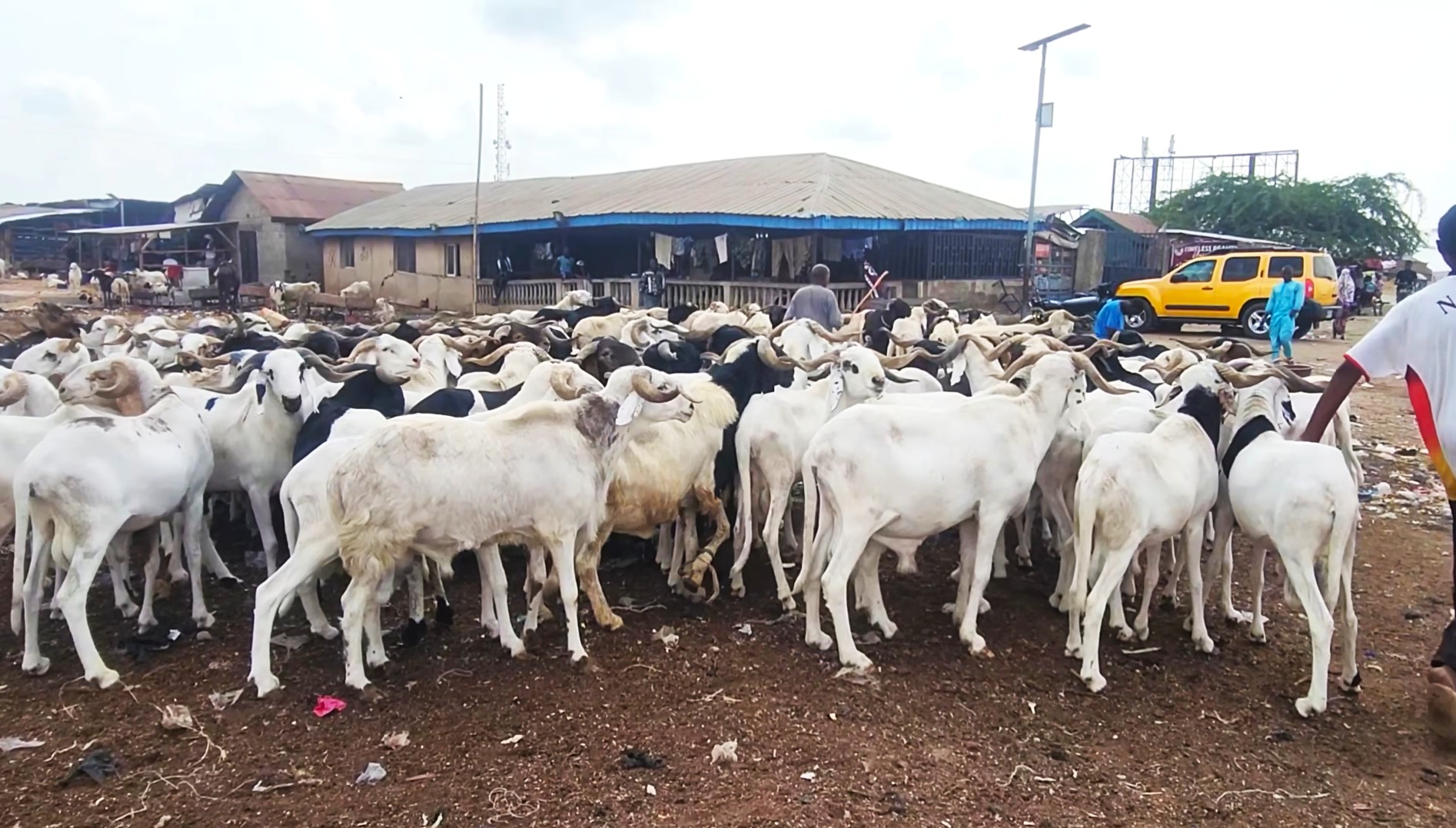

As Muslims across Nigeria prepare to celebrate Eid al-Adha, commonly known as Sallah 2025 Nigeria celebrations, the usual excitement is fading. Unfortunately, sky-high prices of essential items are overshadowing the festive spirit.
Most importantly, rams traditionally sacrificed during the festival are now beyond many families’ reach. What should be a time of joyous reunion has transformed into a financial burden. As a result, many Nigerian families are now considering a “quiet Sallah” this year.
The Shocking Price Jump: From 2024 to 2025
The numbers show a devastating story of inflation. Moreover, prices have tripled in just one year. According to the National Bureau of Statistics, Nigeria’s economic challenges worsen.
Sallah 2024: When the Crisis Began
Even in 2024, many Nigerians felt the economic pressure. For instance, in June 2024, rams that sold for ₦130,000 in 2023 were selling for ₦180,000–₦190,000 in Sokoto markets.
Additionally, basic soup ingredients doubled from roughly ₦1,000 to ₦2,500 per bundle. Meanwhile, across southern markets, medium-sized rams jumped from ₦100,000–₦150,000 into the ₦300,000–₦400,000 range.
This represented a staggering 150% increase in just one year.
Related: Committee To Investigate The High Cost Of Food In Nigeria
Sallah 2025: The Perfect Storm
Just one year later, the situation for Sallah 2025 in Nigeria has become much worse. Furthermore, current market prices show an unprecedented surge.
Consequently, this year’s celebrations are the most expensive in decades. Ram confirms these price increases across major Nigerian cities.
| Animal Category | 2024 Price Range | 2025 Price Range | Percentage Increase |
|---|---|---|---|
| Big rams | ₦180,000–₦350,000 | ₦1,000,000+ | 185-455% |
| Medium rams | ₦180,000–₦400,000 | ₦600,000–₦800,000 | 100-333% |
| Small rams | ₦100,000–₦190,000 | ₦200,000–₦500,000 | 100-400% |
| Goats | ₦80,000–₦150,000 | ₦150,000 | 0-87% |
To put this in perspective, a ram that sold for ₦150,000 in 2023 now costs ₦300,000 or more. This represents a 100% increase in just two years.
Similarly, Nigerian economic analysts have documented these dramatic price shifts.
How Sallah 2025 Nigeria Compares to Previous Years

The price surge affecting Sallah 2025 in Nigeria goes far beyond sacrificial animals. Additionally, essential food items that families need for Sallah celebrations have all seen dramatic increases.
First, tomatoes have become very expensive. Second, rice prices have soared beyond many families’ reach. Third, cooking oils now cost premium prices.
Furthermore, seasonings and spices have joined the price surge. Finally, onions and other vegetables have seen drastic increases.
This complete price hike has created what many call a “perfect storm.” As a result, it’s changing how Nigerian Muslims approach Sallah 2025 Nigeria. Most importantly, their most important religious celebration is now at risk.
The Main Causes: Why Prices Keep Rising
Economic Problems
Nigeria’s broader economic challenges form the foundation of this crisis. According to experts and government data:
- High Inflation: Even at 23.71% as of April 2025, Nigeria’s inflation rate is still high and volatile, impacting agricultural produce and energy.
- Fuel Costs: Second, increased transportation costs have driven up prices of goods across the supply chain.
- Currency Problems: Third, the devaluation of the naira has increased the cost of imported goods, including animal feed and farm inputs
- Cash Shortage: Finally, limited cash flow has squeezed both traders’ margins and consumers’ buying power.
Security Problems and Farm Issues
The main driver of livestock price increases lies in Nigeria’s ongoing security challenges. These issues are well-documented by news outlets in Nigeria:
- Farmer-Herder Fights: First, ongoing conflicts have severely hurt livestock production. As a result, traditional supply chains are disrupted.
- Banditry and Crime: Second, farmers in many regions face threats. These threats have disrupted grazing routes and crop harvests. Consequently, the national livestock pool is shrinking.
- Reduced Farm Output: Finally, widespread crime has severely impacted farm production. This creates supply shortages. Additionally, many farmers have abandoned their lands entirely.
Border Problems and Trade Issues
Economic and policy factors are making the situation worse. Furthermore, border policies have created new challenges:
- Niger Border Closure: First, periodic border closures with the Niger Republic have created problems. These closures often stem from ECOWAS disputes. As a result, cross-border livestock flows become unstable.
- Trade Limits: Second, Niger’s temporary ban on livestock exports was meant to help their domestic market. However, it has backfired for Nigeria. Consequently, it creates supply shortages at peak demand.
The Business Problem
Another important factor is how the ram trade has changed. Moreover, new business practices have altered pricing:
Hoarding Practices: Traditional sellers from Northern Nigeria used to sell their animals quickly as they needed to return home quickly. However, new commercial players have changed this by introducing hoarding practices. They maintain open pens and inflate prices artificially.
Price Manipulation: New middle-man traders hoard animals in urban pens. Therefore, they artificially limit supply until buyers pay high prices.
Market Changes: This change has created a ripple effect. As a result, even traditional Northern sellers now adopt these new pricing strategies. Consequently, prices have risen across the board.
The Human Impact: How Nigerians Are Coping
Against this backdrop, many Muslims are quietly scaling back celebrations or seeking cost-saving measures:
Alternative Purchasing Strategies
- Group Sacrifice: Sharing a cow or camel with seven or more people is surging, as one cow sold for ₦600,000 can cost just ₦85,000 per contributor
- Community Pooling: Families and communities are pooling resources to purchase rams in bulk, many months prior to the occasion.
- Smaller Sacrifices: Some are opting for less expensive animals like goats or chickens instead of traditional rams
Scaled-Back Celebrations
- Silent Celebrations: Some households are foregoing lavish feasts and gift-giving, preferring a “quiet Sallah” to avoid financial strain
- Reduced Festivities: Many households are scaling back on festivities, focusing more on prayers and family gatherings rather than elaborate feasts
- Alternative Offers: Imams and community leaders have appealed to sellers for mercy pricing, though such interventions have met mixed success
Market Response and Seller Challenges
Ironically, The high prices have caused challenges for sellers, many of whom report slow sales, with potential buyers deterred by the steep costs. Livestock traders warn of a shortage and soaring prices, with some expressing concern about potential losses from unsold animals. Yet many maintain that returning unsold stock would result in even greater financial losses.
Cash crunch has made transactions more difficult, driving traders and buyers to lament that “this year’s Eid will be one of the harshest in memory.”
Economic Relief and Long-Term Solutions
As Nigerians mark this important religious festival, the rising costs highlight the urgent need for government intervention to stabilize prices and boost food security.
Immediate Interventions Needed
- Market Regulation: Addressing speculative profiteering and price manipulation
- Border Policy Review: Restoring secure cross-border trade relationships
- Emergency Relief: Ensuring liquidity in rural markets during peak demand periods
Long-Term Solutions
- Security Restoration: Addressing insecurity to restore agricultural productivity and livestock production
- Infrastructure Investment: Supporting traditional livestock production systems
- Agricultural Support: Investing in modern pastoral infrastructure and support for farmers
- Economic Stabilization: Addressing broader macroeconomic challenges, including inflation and currency stability
Preserving the Spirit Amid Economic Challenges
Eid al-Adha is a time of sacrifice, gratitude, and charity. Despite the financial difficulties, Nigerians continue to demonstrate remarkable resilience and adaptability. The festival’s core messages of sacrifice, sharing, and community solidarity remain relevant, even as the economic landscape shifts dramatically.
Even though the spirit of Sallah is still strong, celebrations are clearly being hampered by the current economic climate. The current crisis serves as a wake-up call for broader economic and security reforms needed to ensure that religious celebrations remain accessible to all faithful, regardless of financial status.
From Crisis to Hope
The 2025 Sallah celebration represents a critical juncture for Nigerian Muslims. The question is whether this year’s “quiet Sallah” will become the new normal or serve as a catalyst for the systemic changes needed to restore affordability and accessibility to one of Nigeria’s most cherished religious celebrations.
As Nigerian Muslims navigate this challenging period, their resilience and the community solidarity they’ve demonstrated offer hope for preserving the joy and significance of Sallah in future years. However, the government must address the underlying economic issues to ensure prices do not mar future celebrations.
How has the high cost of food and affected your Sallah preparations?


