
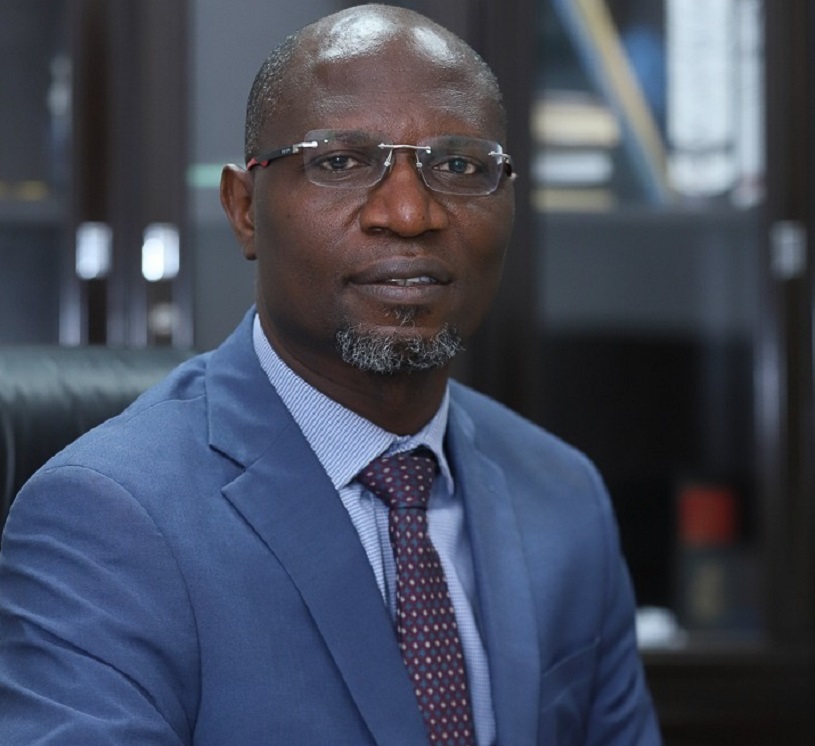
West African nations have been urged to accelerate the integration of their capital markets, as it remains the only realistic way to raise the huge investments needed to grow business and fuel development.
Dr. Emomotimi Agama, Director-General of the Securities and Exchange Commission (SEC) and Chairman of the West Africa Securities Regulators Association (WASRA), made this call during the Expert’s Meeting on the Validation of the WASRA Charter in Abuja.
He described the effort as “a watershed moment” for the region’s financial system, explaining that West Africa faces pressing issues, including infrastructure deficits, climate change, digital transformation, and unemployment.
Financing Gaps and Missed Opportunities
Agama pointed out Africa’s annual infrastructure financing gap of more than $100 billion, with West Africa alone needing tens of billions to modernise roads, power grids, and digital networks.
“Each year of delay is a lost opportunity to mobilise resources for critical projects that can transform our economies,” he warned, stressing that no single country can raise the needed capital on its own.
Related Growing Your Business with Technology and Online Selling: Insights from the Smartpreneur Webinar
Lessons From Europe and Asia
Citing global examples, Agama said the European Union and ASEAN transformed their economies by harmonising financial rules, strengthening investor trust, and making cross-border funding easier.
“West Africa, with its 400 million people and $800 billion GDP, has even greater potential, but potential without action means nothing,” he added.
Beyond Infrastructure: Agriculture and Digital Growth
Agama explained that integration would not only fund infrastructure but also strengthen agriculture, agro-processing, food security, and the digital economy.
“Capital pooling can drive fintech growth, broadband expansion, and innovation hubs, ensuring West Africa participates in the fourth industrial revolution,” he said.
The Role of WASRA
Presenting WASRA’s objectives, Agama noted that the body was created to anchor market integration through joint programmes, mutual assistance, and shared standards.
“Integration is not about declarations. It is about practical collaboration that delivers results for both our markets and our people,” he stressed.
Policymakers and Regional Support
Nigeria’s Finance Minister, Wale Edun, represented by Mr Hassan Adamu Jibrin, described the WASRA Charter as a vital foundation for harmonised regulation, deeper cross-border investments, and financial stability.
Mr Peter Oluonye of the ECOWAS Commission also highlighted the need for unified trading platforms, harmonised accounting standards, and effective governance to attract both local and foreign investment.
“The integration of our capital markets is a necessity if we are to attract funding, build infrastructure, and achieve sustainable economic growth,” he concluded.


